Barefoot or shod: getting past the dogma
Few topics start an argument in the tack room faster. The truth is duller and more useful than either camp wants: the right answer is whatever keeps that particular horse sound and working.
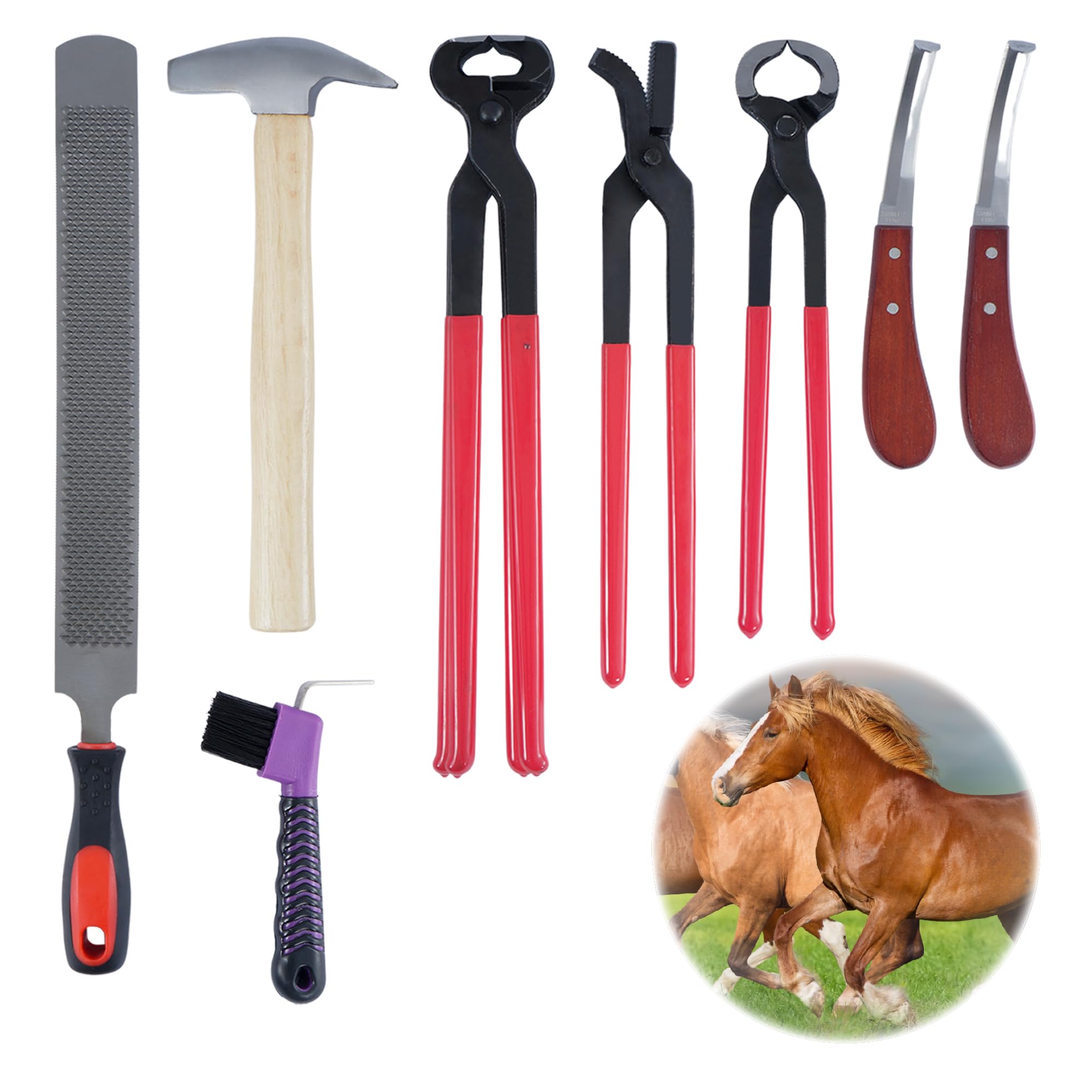
Farriers have pulled shoes off plenty of horses who were better without them, and they've also watched barefoot zealots leave a horse footsore on gravel for a year out of principle. Both camps have decided the question is philosophical. It isn't. It's a question about one horse, one job, and one set of feet.
Start with what a shoe actually does. It protects the wall from wearing faster than it grows, it can add traction or correct a hoof that's breaking down, and it's a platform for therapeutic work — pads, bar shoes, wedges. What it doesn't do is make a bad foot good. A shoe nailed onto an unbalanced foot just preserves the imbalance for six more weeks. Everything starts with the trim, which is why understanding how the foot actually works matters more than picking a side.
Barefoot has real advantages when it fits. A bare foot flexes more fully and gets better circulation through the frog and digital cushion. There's no shoe to throw, no nail holes, and the horse is cheaper to maintain. Plenty of horses — trail mounts, easy-going pleasure horses, horses on dry abrasive ground — do beautifully barefoot once their feet condition to it. The catch is that conditioning takes months, and a soft-footed horse pulled straight off shoes onto a rocky trail in July will be miserable. Hoof boots bridge that gap nicely for the transition.
So who genuinely needs shoes? A horse putting in serious roadwork or arena miles that wears horn faster than it grows. A horse with thin soles or chronic flares that can't hold a barefoot trim. A jumper or eventer needing studs for traction. Any horse in active therapeutic work — laminitis, navicular, a serious crack. Consider a hunter named Beckett whose owner desperately wanted him barefoot; they tried for a full year, and he was tender every show season. Back in shoes, he was a different horse. There was no virtue in keeping him sore.
A few honest points the internet glosses over. First, transitions are seasonal — pull shoes in the fall when the ground is softening and the horse has all winter to toughen up, not in spring before show season. Second, footing matters as much as the foot; the same horse can be fine barefoot in a sandy paddock and footsore on a gravel driveway. Third, a wet-to-dry cycle wrecks horn quality either way, and a horse standing in mud will struggle barefoot and lose shoes shod. Winter is its own beast — snowballing, frozen ruts, and thrush — and we walk through managing it in winter feet: snowballs, mud, and thrush season.
How to actually decide, without the dogma: look at the horse's job, the ground he lives and works on, the quality of his horn, and his comfort. Then trial it honestly with a clear timeline. Give a barefoot transition a real three to six months with boots as a backstop, and watch how he travels on the surfaces he actually uses. If he's confidently sound and the feet are holding their shape, leave him bare. If he's perpetually tender, ouchy on gravel, or his feet won't hold a trim, that's the horse telling you he needs shoes. Listening to that isn't failure.
The strongest barefoot results and the cleanest shoeing jobs we see have one thing in common: a good farrier on a steady schedule who knows the horse. The shoe-or-no-shoe decision is a small part of hoof care next to balance and consistency. Whichever way you land, that decision should be made with your farrier looking at the foot in front of you, not with a stranger arguing online about a horse they've never met.
Pick the option that keeps your horse comfortable and working, reassess it as the seasons and his job change, and don't let anyone shame you into ideology at your horse's expense. The foot doesn't care what camp you're in.