Laminitis and founder: the words every owner should fear correctly
People throw these words around interchangeably and most use them wrong. Knowing exactly what laminitis is, what founder means, and what the early signs look like can save your horse's life.
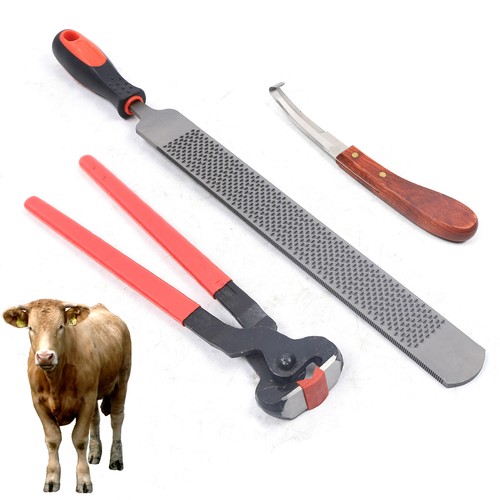
There's a fat little pony named Biscuit at nearly every barn, and every spring his owner sends an anxious photo of him standing oddly on the new grass. Sometimes it's already too late. Laminitis is the disease we most wish owners understood sooner, because by the time it's obvious, the damage is often done.
Let's get the words right first, because the confusion is dangerous. Laminitis is inflammation and failure of the laminae — the thousands of interlocking leaves that suspend the coffin bone inside the hoof capsule. Founder is what happens when that failure lets the coffin bone rotate downward or sink within the hoof. Laminitis is the disease; founder is the catastrophic mechanical result. You can have laminitis without foundering if you catch it fast. You cannot un-founder a bone that has already rotated.
What causes it? The most common trigger we see is metabolic and dietary: an overweight horse or pony with equine metabolic syndrome or Cushing's gorging on lush spring or fall grass, or breaking into the feed room. Carbohydrate overload sets off a cascade that damages the laminae. Other causes include a serious systemic illness, a retained placenta in a mare, a heavy grain binge, or excessive concussion on hard ground — "road founder." Supporting-limb laminitis can also strike the healthy leg when a horse is bearing all its weight off an injured one.
The early signs are subtle and they are the ones that matter. A horse shifting weight from foot to foot at rest. A short, pottery, "walking on eggshells" gait, worse turning on hard ground. Heat in the feet that lingers. A bounding digital pulse — felt at the back of the fetlock — that's much stronger than normal. The classic founder stance, rocked back onto the heels with the front feet stretched forward to take weight off the painful toes, is a horse already in real trouble. Learning to read these before they're dramatic is the same skill set as catching lameness before it becomes a layup, and it's worth practicing on a sound horse so you know his normal.
If you suspect laminitis, this is a genuine emergency — call your vet immediately, not at the end of the week. While you wait: get the horse off grass and any grain, move him to a stall with deep, soft bedding or sand that supports the frog and sole, and do not force him to walk around. Cooling the feet in ice water in the very early acute phase can limit damage, but your vet should guide that. The difference between calling at the first odd step and calling three days later is often the difference between a manageable case and a foundered horse.
Treatment is a team effort between your vet and your farrier. The vet manages pain, addresses the underlying cause, and takes radiographs to see exactly where the coffin bone sits. Your farrier uses those films to trim and shoe for mechanical relief — backing up the toe, supporting the back of the foot, sometimes applying special pads or a heart-bar shoe to take load off the failing laminae and the rotated bone. Recovery is measured in months, and some horses come fully sound while others need lifelong management.
The good news is that the most common form is largely preventable. Keep your horse at a healthy weight, manage grazing on high-risk horses with a grazing muzzle or restricted turnout during the danger seasons, and don't let an easy keeper get fat on rich pasture. The feeding side is its own subject, and we'd point any owner of an at-risk horse to feeding the laminitis-prone horse for the dietary details that keep these cases from ever starting.
Respect these two words. Not as vague horse-world boogeymen, but as a specific, fast-moving disease with specific early signs you can learn. The owners whose horses recover well are almost always the ones who saw the first shifting steps, called the vet that day, and got the foot, the feed, and the cause addressed together before the bone had a chance to move.