Barn fire: the prevention checklist worth doing this weekend
A barn full of hay, shavings, and dry wood is a tinderbox, and most barn fires start from causes you can eliminate in an afternoon. Here's the walk-through that actually moves the needle.
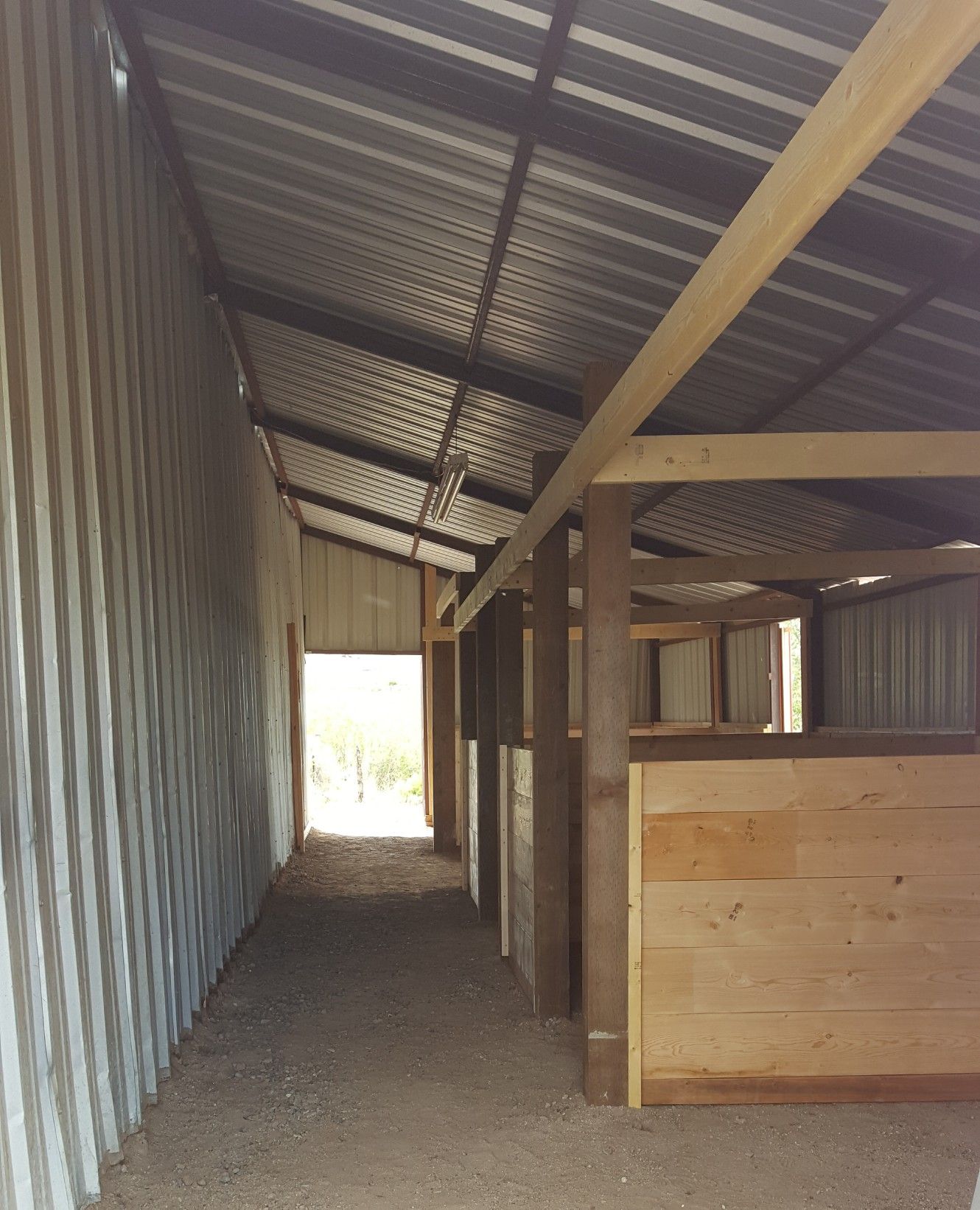
There is no fire more total than a barn fire. Hay, shavings, dry old wood, and a building full of animals who panic and run back toward the flames — it goes from a spark to a loss in minutes, and the local volunteer department is rarely close enough or equipped enough to save the structure. Anyone who has stood in the smoking footprint of a barn the morning after will tell you the only consolation was that the horses had been turned out. That is not a plan. That is luck.
The good news, and it is genuinely good news, is that most barn fires start from a short list of preventable causes. Spend one weekend on the checklist below and you eliminate the most common ones. This is the highest-return safety work you will ever do.
1. Hang the right fire extinguishers and check them. Mount an ABC-rated extinguisher at every entrance and in the feed and tack rooms, no horse ever more than a short sprint from one. Check the pressure gauges this weekend and tag the date; an extinguisher that doesn't work is just a red wall decoration.
2. Audit your electrical system, because it's the number-one cause. Replace any frayed cords, eliminate extension cords used as permanent wiring, put every outlet in the barn on GFCI protection, and enclose wiring in conduit or behind boxes so a curious horse or a rodent can't reach it. Have an electrician inspect anything you're unsure about. Heated water buckets and stock-tank heaters are common culprits — inspect their cords every fall.
3. Move the hay out, or at least far away. Stored hay can spontaneously combust when baled damp, and it is the largest fuel load in any barn. The ideal is hay in a separate structure entirely; if you must store it in the barn, keep it away from electrical panels and lights, and check new hay for heat for the first few weeks by pushing a hand or a thermometer deep into the stack.
4. Ban smoking, hard, and post it. One cigarette in a dry barn is all it takes. Make it a fireable offense for staff and a posted rule for everyone, no exceptions for "just outside the door."
5. Keep the aisles and exits clear. In a fire you have seconds, and a wheelbarrow or a stack of jump poles blocking an exit can cost a life. Clear paths to every door, doors that open easily and wide, and a halter and lead hung on every stall door so anyone can grab a horse and go.
Those five steps cover the overwhelming majority of what kills barns. But prevention and response are two halves of the same coin. The extinguishers and clear aisles only matter if your people know the evacuation order, where the horses go once they're out, and who calls 911 — that's the response side, and it belongs in your written emergency preparedness plan for your barn. A checklist on the wall does nothing if nobody has rehearsed using it at 2 a.m.
Some of the strongest fire protection is baked into the building itself, which is why we treat it as a design question and not just a housekeeping one. Hay stored in its own structure, electrical runs that don't pass through dusty hay storage, multiple wide exits, and aisle widths that let you move horses fast all start on the blueprint — we get into that in designing an efficient barn layout. If you're building or renovating, fire safety is far cheaper to engineer in than to retrofit.
A few additions are worth the money if you can swing them. Heat-activated detectors rated for dusty environments will alert you before flames are visible, and tied to a monitoring service they can summon help while you sleep. Lightning rods on a hilltop barn are cheap insurance. And a simple frost-free hydrant with a long hose near the barn buys you a fighting chance on a small fire before the trucks arrive.
None of this is exciting work. It's an afternoon with an extinguisher gauge, a flashlight, and a critical eye on your own wiring. But of everything a barn manager does, this is the one where being thorough and a little paranoid is exactly the right instinct. The fire you prevent is the one nobody ever hears about, and that's the whole point.