How to choose a riding instructor (and red flags to walk away from)
The wrong instructor can scare a rider off horses for life or get them hurt. The right one builds confidence and correct habits. Here's how to tell them apart before you pay.
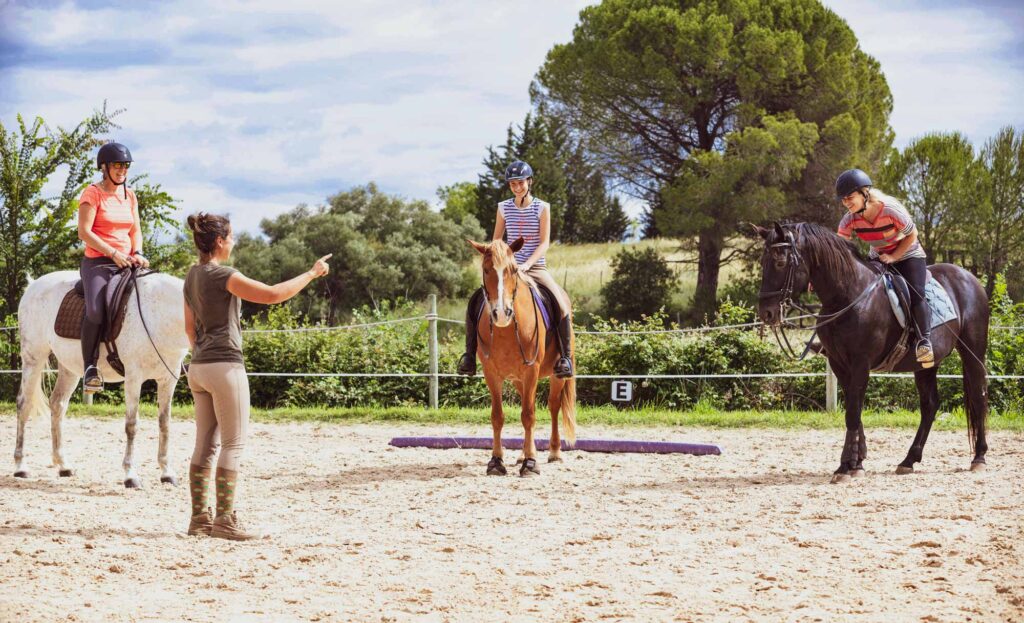
Choosing an instructor is the single most important decision a new rider makes, and most people make it based on which barn is closest. The convenience is understandable, but the wrong instructor can sour someone on horses forever, install habits that take years to fix, or worse, put a beginner on an inappropriate horse and get them hurt. The right one builds a confident, safe, correct rider who falls in love with the sport. The difference is worth driving an extra twenty minutes for.
Below are the questions to get answered before you hand anyone your money or your child, and the answers that should reassure you or send you looking elsewhere.
Q: What credentials should an instructor actually have?
A: Look for certification through a recognized body and, just as importantly, current insurance and a real safety setup. Certification isn't everything, but an instructor who's invested in it tends to take teaching seriously. A great rider isn't automatically a great teacher, so credentials plus a teaching track record beat ribbons alone.
Q: How can I judge them before committing to a package?
A: Watch a lesson before you book, and pay for a single trial lesson rather than a discounted block. Watch how they talk to students and handle the horses, whether they enforce helmets, and whether nervous riders look encouraged or shut down. If a barn won't let you observe, that's an answer in itself.
Q: What are the real red flags?
A: No helmet rule, or an instructor who waves it off. Putting a rank beginner on a green or hot horse. Yelling that humiliates rather than corrects. Pushing a scared rider to canter or jump before the basics are solid. Vague answers about insurance and safety. And any pressure to buy a horse, more lessons, or expensive gear before you've barely started.
Q: My kid just wants to have fun. Does any of this matter?
A: Even more, honestly. Kids hide fear and copy whatever they're taught, good or bad. A patient instructor who builds what a first lesson should feel like into a positive, unpressured experience is exactly who you want, because the early lessons decide whether a child sticks with riding or quietly quits.
Q: How do I know if I'm actually progressing once I've started?
A: A good instructor can tell you what you're working on this month and what comes next — they're teaching to a plan, not improvising. The strongest programs run an actual curriculum, and if you want to understand what that looks like from the inside, building a lesson curriculum lays out the structure a serious instructor should be able to point to.
Q: What about personality and fit?
A: It matters more than people admit. An instructor whose style clicks with a methodical adult may frustrate an impulsive teenager. You want someone whose communication makes sense to you, who explains the why and not just the what, and with whom you feel safe asking dumb questions. You'll spend a lot of hours with this person; you should leave lessons energized, not deflated.
Trust your gut after that trial lesson. Did you feel safe? Did the instructor's horses look happy and well cared for? Did you learn something specific you could name on the drive home? A yes to all three is worth far more than proximity or price. And don't feel locked in — if a few lessons in it isn't working, it's completely normal to try someone else. The goal is a long, safe, joyful riding life, and the right teacher is what makes that possible.