What really happens in your first riding lesson
Spoiler: you probably won't canter off into a sunset. Here's the honest play-by-play of a first lesson, from the moment you park your car to the moment you peel off your boots.
The first thing most beginners get wrong about a first lesson is the timeline. You picture yourself trotting by the end of the hour. What actually happens at a good barn like Willowbrook is that you spend the first twenty minutes never leaving the ground — meeting your horse, learning to lead him, figuring out which side you mount from and why.
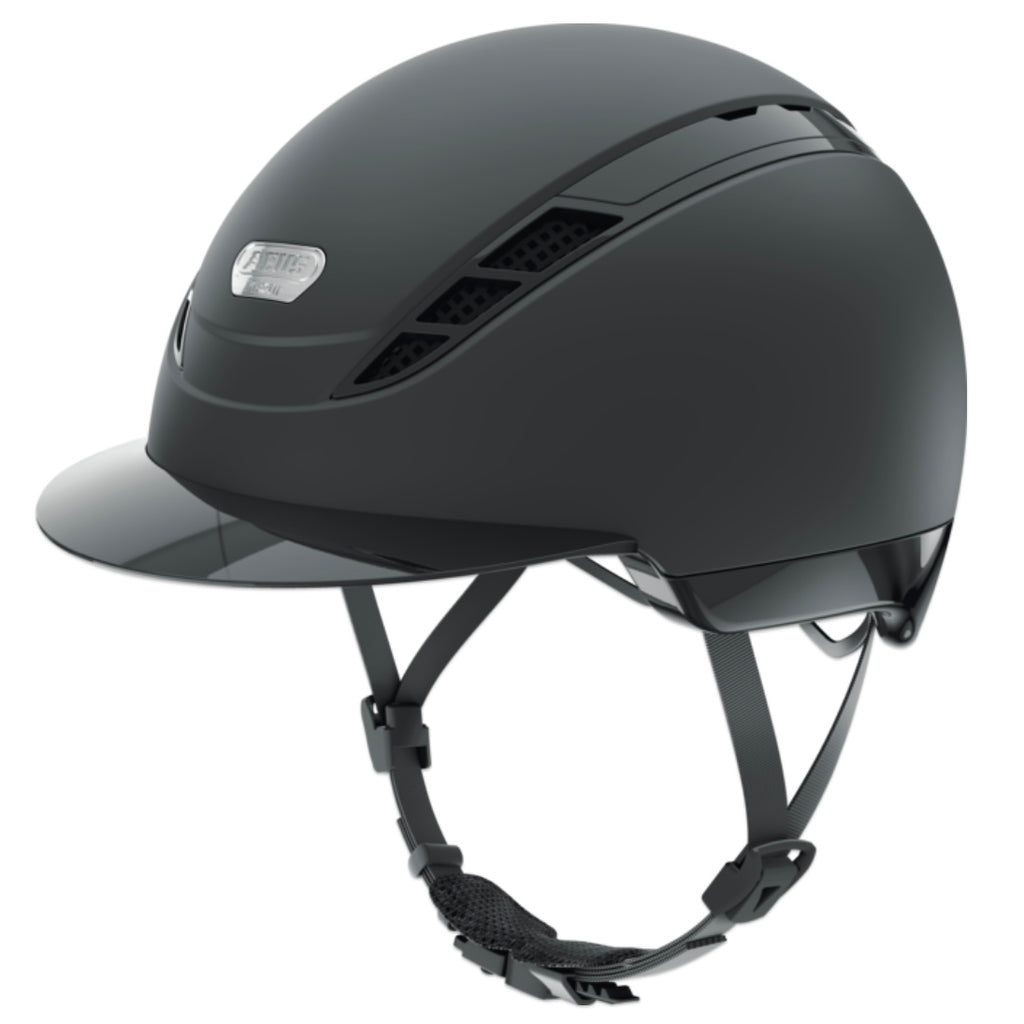
When you arrive, get there ten minutes early. A good instructor will have already matched you to a steady schoolmaster, usually an older gelding who has taught a hundred people exactly like you. At Willowbrook that's a 19-year-old Quarter Horse named Biscuit who has seen everything and spooks at nothing. You'll be handed a helmet if you don't own one, and you'll be shown how to check that it actually fits. Before you ever throw a leg over, read choosing a riding helmet so you understand why this is the one piece of gear nobody negotiates on.
Expect groundwork before saddle work. You'll learn to approach from the shoulder, not the front, to run a lead rope through your hand instead of wrapping it, and to stand at the girth while the horse is tacked. This isn't filler. It's how you and the horse start reading each other.
Once you're up, the first real skill is just sitting there correctly. Heels down, eyes up, shoulders over hips. Your instructor will likely lead you or put you on a lunge line for the first few sessions so you can focus on your body instead of steering. You'll walk. You'll halt. You might trot a few strides at the very end if the instructor thinks you're ready, and you'll be amazed how much that bounces.
Two things surprise nearly everyone. The first is how physical it is — you'll use muscles in your inner thighs and core you forgot you had, and you'll be sore the next day. The second is the nerves. A horse is a big animal, and some flutter in your stomach is normal and healthy. If you're carrying more than flutter — if you've come off before and the fear is real — that deserves its own attention, and getting back on after a fall walks through it honestly.
What you should watch for in that first hour is the instructor as much as the horse. A good one talks you through what's happening, corrects gently, and never makes you feel stupid for asking why. If you're still deciding where to take lessons, how to choose a riding instructor covers the questions to ask and the warning signs that should send you down the road.
Wear long pants, closed-toe shoes with a small heel if you have them, and leave the scarves and dangly jewelry at home. Bring water. Don't bring carrots on day one; let the barn tell you their treat rules. A good barn will also ask about your goals and any injuries before you start, so think about what you actually want — a fun weekend hobby, a path toward showing, time outdoors — because that shapes how an instructor brings you along.
And give yourself a few lessons before you judge whether riding is for you. The first one is overwhelming by design — there's a new vocabulary, a new animal, and a brand-new way of using your body all at once. You'll forget which rein is which, you'll grip with your knees, and you'll probably steer like you're parking a boat. That's completely normal. By the third or fourth, the pieces start clicking, and the day you finally post the trot in rhythm with the horse underneath you, you'll understand why people get hooked for life.