The whiteboard finally retires: running a barn on one system
Most barns run on a whiteboard, a paper feed chart, a group text, and the manager's memory. It works until it doesn't. Here's what changes when all of that lives in one place.
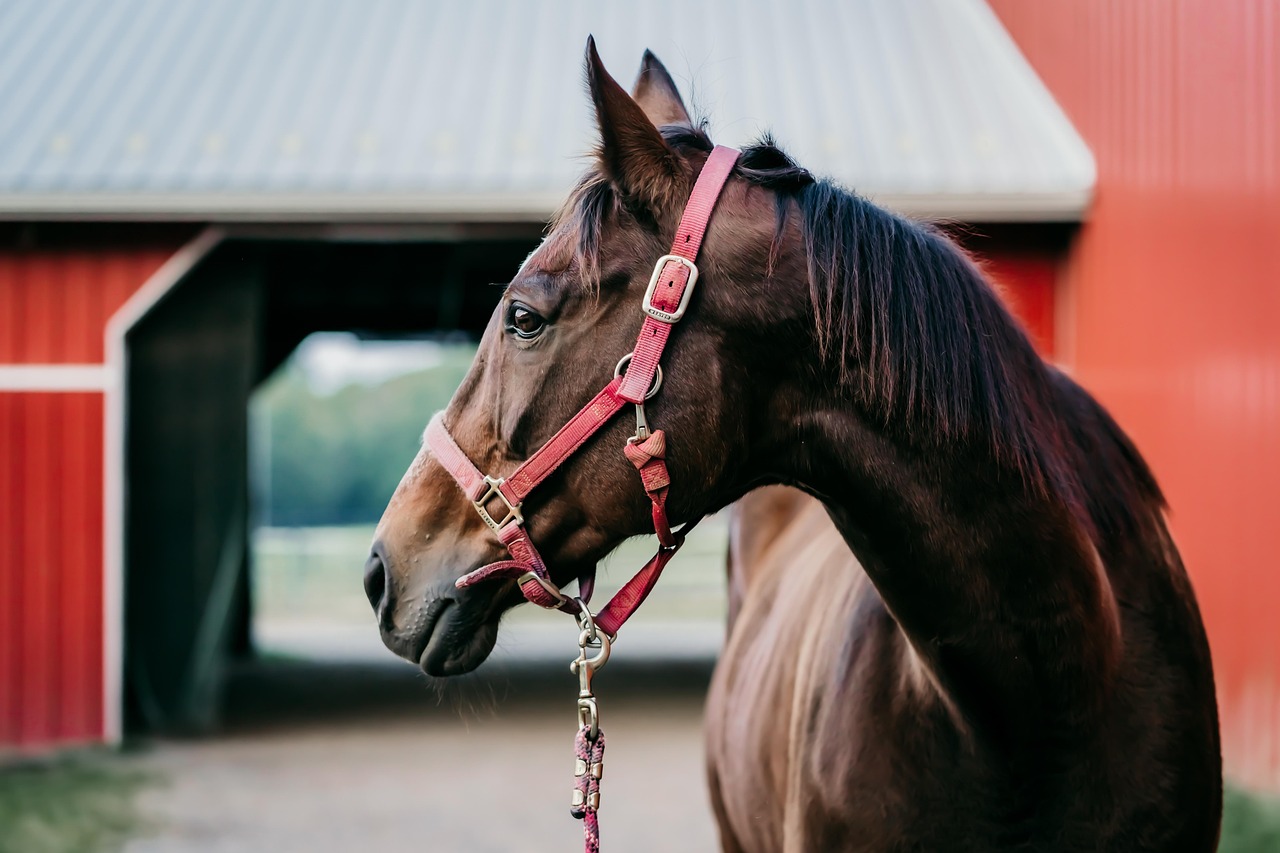
Walk into almost any barn office and you'll find the same archaeology: a whiteboard covered in half-erased turnout notes, a laminated feed chart with three generations of dry-erase corrections, a clipboard of vet appointments, and a phone full of group texts where the actual current information lives. It works, more or less, until the day the person who holds it all together is out sick — and then nobody can find out whether Dakota got his bute or which horses are on the morning turnout list, because the whole system was really just one person's memory with some props.
Plenty of well-run barns operate exactly that way, so this isn't a knock on the whiteboard. It's an acknowledgment that the whiteboard simply doesn't scale, and it doesn't survive a day off. Past about a dozen horses, the gap between "what's written down" and "what's actually true right now" gets dangerous. Horses get double-fed. A blanket change never makes it onto the invoice. An owner texts at eleven at night asking how their mare is, and the answer is trapped in a groom's head.
The shift that fixes this isn't fancy. It's putting the whole operation — the feed chart, the turnout groups, the chore list, the med schedule, the vet and farrier calendar, the horse records — into one shared system that every staff member can see and update from their phone in the aisle. When a groom logs a blanket change or a skipped feeding from the stall door, it's recorded in the moment by the person who actually did it, not reconstructed from memory at the end of the day. The barn's real state and the written record finally become the same thing.
A few concrete examples of what that looks like in practice. The morning routine that used to live on a laminated card becomes a checklist on a phone that any staff member can run — which is exactly the kind of consistency we argue for in a daily barn chore routine that works, except now nobody has to decipher someone else's handwriting or guess whether a task got done. Medication and feed instructions travel with the horse's record, so the relief worker covering Sunday sees the same instructions the regular groom would. And when a horse moves to a different stall or onto stall rest, the change is visible to everyone at once instead of being announced in a text that half the team misses.
The other quiet win is owner communication, which is where so much of a barn manager's time actually goes. Instead of fielding the same questions across eight separate text threads, the horse's daily care, photos, vaccine records, and invoices live in one place the owner can check whenever they want. That's the difference we get into in owner communication without the group text — the owner three states away who can see that their horse got her spring shots and schooled clean on Tuesday is a reassured owner, and a reassured owner renews. The group text was never going to deliver that past a dozen horses.
We'll be honest about what this is and isn't. Moving off the whiteboard takes a couple of weeks of getting your team into the habit, and the first few days feel slower before they feel faster. But the payoff is real: the information stops living in one person's head, the barn keeps running when the manager is out, and the small things — the skipped feed, the missed med, the uninvoiced blanket change — stop slipping through the cracks. That's not a sales pitch, it's just what happens when the record and the reality finally match.
If you're curious whether it fits your barn, the honest way to find out is to try it on your own horses and your own routine rather than take our word for it. You can start a free Apex Equine trial and put your feed chart, turnout groups, and a week of chores into it to see how it feels in the aisle, and if you want to understand what it costs at your barn's size you can see Apex pricing before you commit to anything. The whiteboard served you well. At some point, though, the barn outgrows it — and the day it does, you'll be glad the information lives somewhere other than one very tired person's memory.