Buying your first horse without buying a problem
Most first-horse regrets trace back to the same handful of mistakes — falling for color, skipping the vet, overhorsing yourself. Here's how to avoid all three.
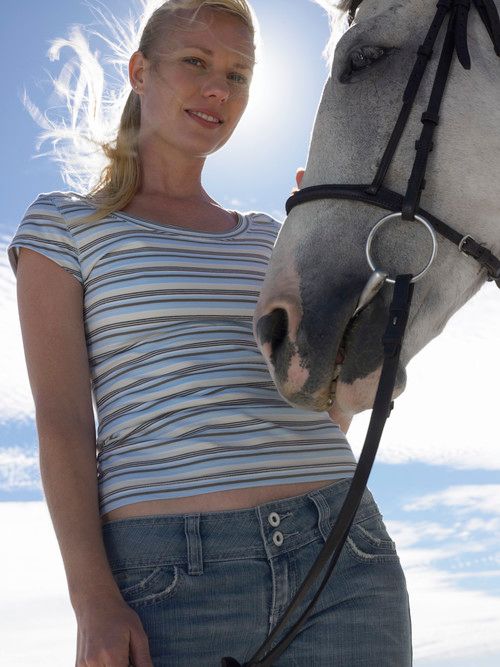
It's a story we've watched play out many times. A woman falls for a flashy four-year-old Paint she's found online. Beautiful horse. Cheap, too. By the time she's talked it through, the truth is clear: she's ridden in lessons for eight months and is about to buy a green, unstarted youngster three states away, sight unseen, because the photos were gorgeous. That horse would have put her in the dirt by June. The right answer was a sixteen-year-old Quarter Horse gelding named Biscuit instead — and buyers who make that trade rarely regret it.
The single biggest mistake first-time buyers make is buying the horse they want to grow into rather than the horse they can ride today. Skill is bought with saddle time, and saddle time only happens on a horse you feel safe getting on. A been-there-done-that horse in his teens is worth more to a beginner than any prospect with papers. The fancy young one can come later, when you have the seat to deserve him.
Before you ever read an ad, get honest about three numbers: your riding level, your budget for purchase, and your budget for the year after. People fixate on the sticker price and forget that the horse costs roughly the same to keep whether you paid three thousand dollars or thirty. Board, farrier every six weeks, vaccines, dental, the surprise vet bill — that's the real cost of ownership, and it doesn't go away.
When you do start shopping, learn to read the listing carefully. Phrases like "needs an experienced rider," "best for a confident home," or "no time to bring him along" are doing real work, and we walk people through decoding them in reading between the lines of a horse sale ad. Bring a trainer or a knowledgeable horse friend to every viewing. You are emotional; they are not. That's the whole point of them.
Ride the horse more than once, on more than one day. Watch the seller catch him in the field, tack him up, and ride him first. A horse that's been longed down to a nub before you arrive is a horse hiding something. Pick up his feet. Stand him in cross-ties. Spray him with the hose. The everyday stuff tells you more than the under-saddle work, because the everyday stuff is what you'll actually live with.
If the horse passes your gut check and your trainer's, the next non-negotiable is the vet. We never recommend buying without a pre-purchase exam, and we've explained exactly what that buys you in the pre-purchase exam: what you're really paying the vet for. It is the cheapest insurance in this whole transaction. A few hundred dollars spent finding out a horse has navicular changes or a heart murmur is money that saves you thousands and a broken heart.
Come to every viewing with a written list of questions, asked the same way every time so you can compare horses fairly. Why is he for sale? Has he ever coliced or been lame? What does he do when the wind blows? We keep a full script in the questions every horse buyer should ask, and we'd rather a buyer feel slightly annoying than end up surprised.
Watch the math on temperament versus training, too. A horse with a kind, sensible brain and modest training will take you further than a well-schooled horse who's spooky or sour. You can teach a quiet horse a flying change. You cannot teach a hot horse to stop being hot, not really, not in the timeline a first-time owner needs.
A few practical guardrails we give every new buyer. Never wire a deposit before you've seen the horse in person. Never let "another buyer is coming this afternoon" rush you into skipping the vetting — that pressure is almost always manufactured. And get a bill of sale, signed and dated, listing the horse's registered name, description, price, and any health disclosures the seller made out loud.
The right first horse is rarely the most exciting one in the ad. He's the one who lets a nervous adult learn to canter, who hauls quietly, who's still standing patiently at the mounting block after you've fumbled the reins for the third time. Buy that horse. The flashy prospect will still be out there in a few years, and by then you'll actually be ready to ride him.