The pre-purchase exam: what you're really paying the vet for
A pre-purchase exam doesn't pass or fail a horse. It hands you a risk report so you can decide what you're willing to live with.
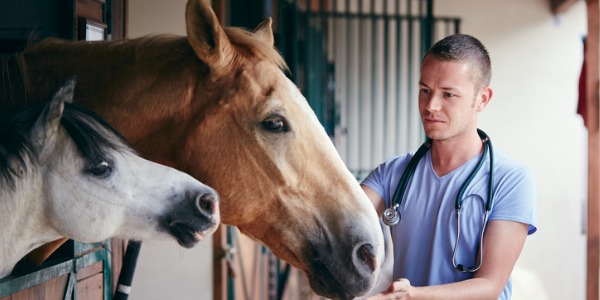
The most common thing buyers say about the pre-purchase exam is, "I just want to know if he passes." That's the wrong frame, and the best sport-horse vets will tell you the same. A PPE is not pass or fail. It's a snapshot of a horse's body on one day, run by a veterinarian who works for you, that tells you what risks you're taking on. Your job is to decide which of those risks you can live with for the riding you want to do.
A basic exam starts with the parts that have nothing to do with flexion. The vet listens to the heart and lungs at rest, checks the eyes with an ophthalmoscope, looks in the mouth, palpates the legs and back, and watches the horse move. A heart murmur, a cataract, a sarcoid in the girth area, a sore back — none of that shows up on radiographs, and all of it matters. We've seen a vet catch a roaring (laryngeal) issue on a hunter prospect just by listening after a hard gallop, saving the buyer a very expensive mistake.
Then comes the dynamic exam: walk and trot in hand on hard ground, flexion tests on each limb, lunging on a circle in both directions, often on hard and soft footing. Flexions are where buyers panic. A horse can flex slightly positive on a hind limb and still be a perfectly sound using horse for years. This is exactly where your vet earns the fee — interpreting what a finding means for your specific goals, not just noting that it exists.
Radiographs are optional and they cost real money, but for any horse you plan to jump, show, or keep long-term, they're worth it. A standard set covers front feet, hocks, and stifles; you can add the back or the neck if something in the clinical exam raises a question. Films give you a baseline, too. If the horse goes lame in two years, your vet can compare new images to the day you bought him.
Here's a rule never to break: the buyer hires and pays the vet, and the vet should not be the seller's regular veterinarian. You want independence. A good practitioner will walk you through every finding in plain language and tell you, honestly, "I'd buy this horse for that job" or "I'd think hard about this." That conversation is the product you're paying for.
Tell the vet what the horse is for before they start. A horse being vetted as a walk-trot lesson packer gets evaluated differently than one being vetted for the three-foot jumpers. Mild arthritic changes in the hocks might be a deal-breaker for a future Grand Prix horse and a complete non-issue for a trail gelding. Context changes the whole read.
Drug screening is the piece people forget. Ask for blood to be pulled and held, even if you don't run it. A calm, sound horse on the day of the exam who turns into a different animal a week later is sometimes a horse who was medicated for the viewing. Holding blood costs little and gives you recourse. This protection works hand in glove with a sensible trial, which we cover in trials, on-approval, and protecting yourself as a buyer.
When the report comes back imperfect — and it almost always does, because no horse is flawless — resist the urge to either walk away in a panic or ignore the findings because you're already in love. Sit down with your trainer and your vet and weigh the issues against the price and the purpose. Sometimes a known issue is worth a price negotiation rather than a no.
The pre-purchase exam is the backbone of buying smart, and it pairs with everything else in the process. If you're at the very start, read buying your first horse without buying a problem before you even book the vet, so you arrive with the right horse on the list. Spend the money on the exam. The horse that flunks the PPE is the cheapest horse you'll ever not buy.