Turnout that wins before you enter the ring
Judges form an impression of your horse in the first three seconds. Immaculate turnout buys you the benefit of the doubt on everything that follows.
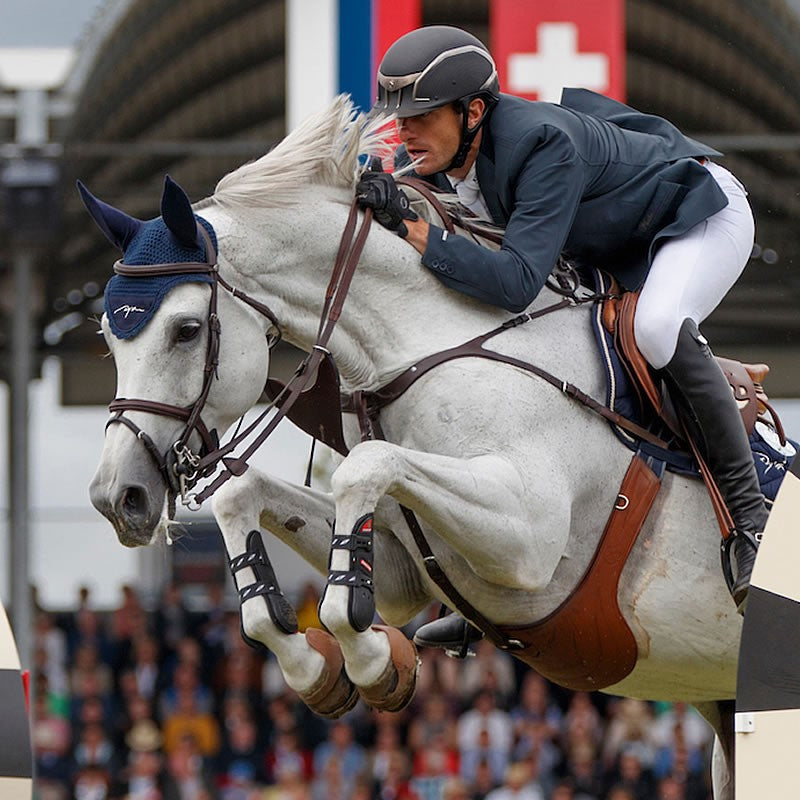
A judge once said she could predict the bottom of her card before the first horse jumped a fence, just from the walk down the long side. She wasn't being snobbish. Turnout signals preparation, and a horse presented gleaming, correctly trimmed, and quietly tacked tells the judge that the people behind him sweat the details — and details are exactly what she's there to reward. Turnout doesn't replace good riding, but it buys you a generous first impression, and first impressions stick.
Show-ring shine is built at home over weeks, not scrubbed on at dawn. A truly glossy coat comes from the inside out: good nutrition, regular work, and daily currying that brings the natural oils up through the hair. The horse who looks like polished mahogany at a show has been curried hard every day for a month, not bathed twice the night before. By show week the bathing is just removing dust from a coat that's already healthy. No spray-on shine product can fake the depth of a coat that's been built through real grooming.
The bath itself is where most of the visible work happens, and order matters. Wash with a quality shampoo, rinse until the water runs completely clear — leftover soap dulls the coat and itches — and finish with a conditioner on the mane and tail. For greys and horses with chrome, a whitening shampoo on the white markings, left to sit a few minutes before rinsing, turns dingy socks bright. Dry the horse well, and if you're showing the next morning, a clean, breathable sheet keeps stable stains off overnight. There is nothing more demoralizing than a manure stain on a white hock at 6 a.m.
The clipping and trimming are what make a horse look "done" from the rail. A neat bridle path, trimmed fetlocks and coronet bands, tidied ears and muzzle whiskers where your discipline allows, and a banged or pulled tail all read as finished; long, fuzzy edges read as an afternoon trail horse no matter how well he's been ridden. Do the clipping a couple of days ahead so any tiny lines have time to soften, not the morning of when your hands are shaking and the light is bad. A pulled and shaped tail, or a neatly banged one, frames the hindquarters and is worth the patience.
On show morning, the routine is finishing touches, not transformation. Pick and oil the feet, give a final body brush to lift any remaining dust, wipe the eyes and muzzle with a soft damp cloth, and apply a light coat of fly spray so he's not stamping in the ring. A small amount of hoof oil or polish makes the feet pop in the lineup. Quarter marks, brushed or stenciled onto the hindquarters, are a classic finishing flourish in some rings — tasteful and simple beats elaborate every time.
The mane is its own discipline and often the difference between tidy and polished. A properly braided mane elevates the whole picture, and it's worth practicing well before show day so it holds through every class; the techniques that make braids survive a long day are in button braids that stay in all day. Match the braiding style to your division — small and numerous for the hunters, a touch larger for the jumpers — and braid the forelock to frame the face.
None of this works without the right tools, and a thin, mismatched kit makes good turnout twice as hard. A few quality brushes, a stiff curry, a proper mane comb, and the right whitening and finishing products earn their place fast; if your caddy needs building or upgrading, the guidance in building a grooming kit that does the job will steer you toward the pieces that actually matter and away from the gimmicks. Buy good brushes once rather than cheap ones twice.
Clean tack completes the picture, so don't undo an immaculate horse with a green-tinged bit and dusty boots. Wipe down the bridle and saddle, polish the bit and stirrup irons, and dress your own boots while you're at it. The whole presentation should look like one considered thought, from the horse's coat to the rider's gloves. Win the first three seconds, and you've made the judge want to like the rest.