Biosecurity that won't make your barn feel like a hospital
One horse comes back from a show with a fever, and three weeks later half the barn is coughing. Practical biosecurity stops the outbreak without turning your barn into a sterile lockdown.
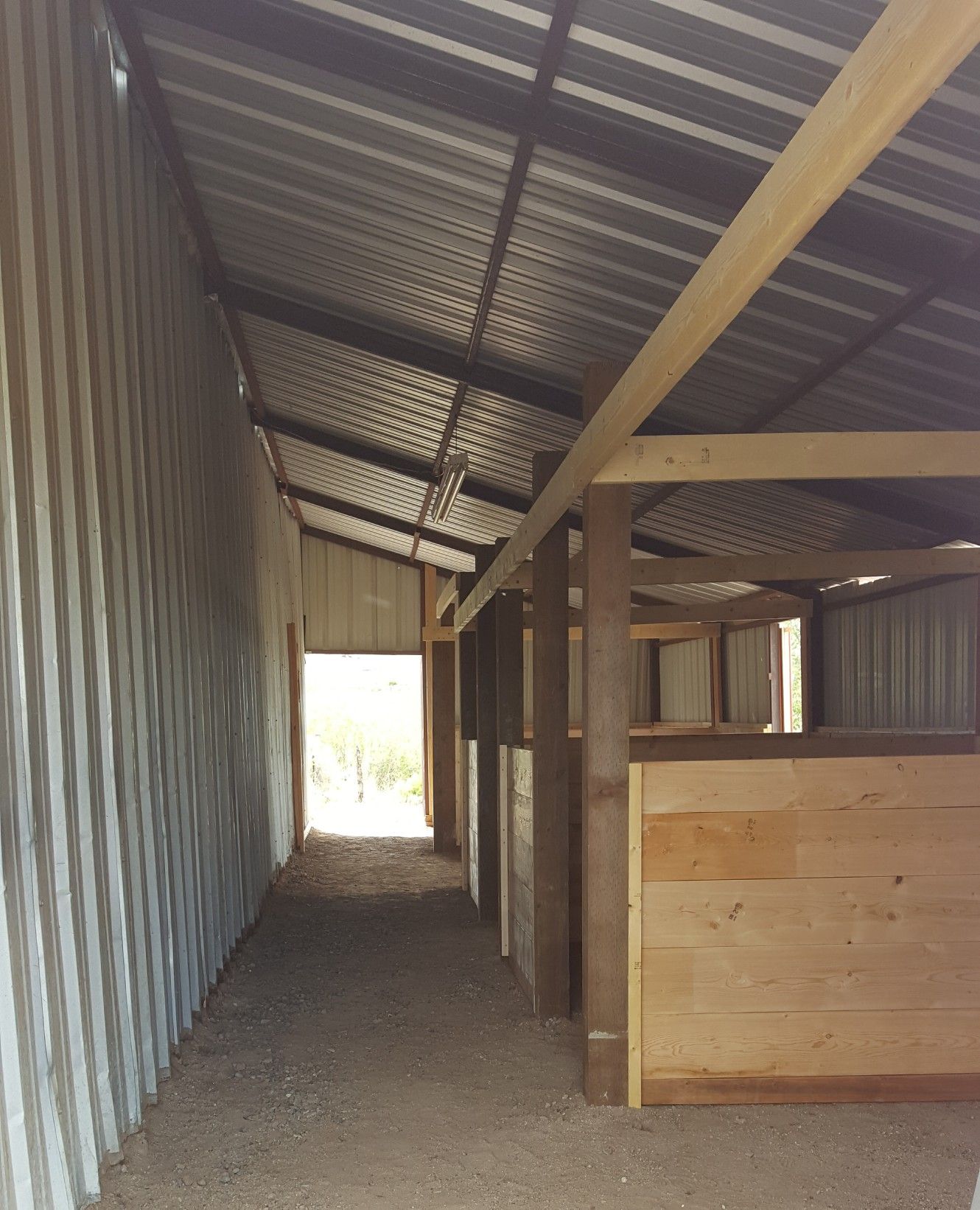
The phone call every barn manager dreads goes like this: a boarder's horse comes home from a weekend show, spikes a fever Tuesday, and by the following week you've got six horses off feed, coughing, and a vet telling you to stop all movement on the property. We've watched a strangles scare move through a fifty-stall barn, and the lesson that stuck wasn't that the place needed to run like a surgical ward. It was that a handful of unglamorous habits, done consistently, would have stopped the whole thing before it started.
Biosecurity has a reputation for being either ignored entirely or taken to a paranoid extreme that nobody can sustain. The useful version lives in the middle: a few routines that become second nature and quietly keep disease from spreading, without making boarders feel like they need a hazmat suit to pet their own horse.
The single highest-value habit is quarantining new and returning horses. Any horse new to the property, and ideally any horse coming back from an event where it mingled with strangers, should spend time in a quarantine stall or paddock that shares no airspace, no water source, and no shared equipment with the main herd. Two to three weeks is the common window, long enough for most respiratory bugs to show themselves. Watch for fever, nasal discharge, coughing, and going off feed. A horse that stays bright and normal through quarantine is a safe horse to integrate; one that spikes a temperature just saved you an outbreak.
That quarantine logic has to extend into how you group horses day to day, because shared turnout and fence-line contact are exactly how bugs travel. A new arrival doesn't go straight into the main herd, and a coughing horse comes off shared turnout until you know what's going on — which is why your isolation practices and your building a turnout schedule have to be designed as one thing. The field is where nose-to-nose contact happens, so the field is where biosecurity is won or lost.
The other pillar is simply not sharing the things that move disease. The big offenders:
Water troughs and buckets. A shared trough is a perfect transmission route. Quarantined horses get their own buckets, and those buckets never go near the main barn's wash rack.
Tack, grooming tools, and thermometers. A shared brush or a rectal thermometer used down the line is how you spread skin infections and worse. Quarantine horses get dedicated tools, and a smart barn color-codes or labels equipment by horse for anything that touches mucous membranes.
Hands and boots. People are the most common vector in any barn. A wall-mounted hand sanitizer outside the quarantine area, a boot dip or a dedicated pair of boots for the isolation stall, and a simple rule — handle the sick or new horses last, not first — costs almost nothing and stops an enormous amount of spread.
None of this works without the foundation underneath it, which is a properly vaccinated herd. Vaccination doesn't replace biosecurity, but it dramatically reduces how badly an introduced disease can take hold, and it's the baseline worth requiring of every boarder before their horse sets foot on the property. If you're not certain what that baseline should include, the core vaccinations every horse needs are the place to start that conversation with your vet, and a barn-wide vaccination requirement written into your boarding agreement protects everyone.
A few more habits round it out. Keep a thermometer handy and teach staff that a temperature over about 101.5 degrees is worth a second look and a phone call. Have an isolation plan ready before you need it, so that when a horse does spike a fever you already know which stall it moves to and who handles it. Know your vet's number and don't wait to use it; an outbreak caught at one horse is a manageable problem, and caught at eight is a catastrophe. And require incoming horses to arrive with a current health certificate and a Coggins, which is just basic due diligence on what's walking onto your property.
The goal isn't sterility, it's interruption — breaking the chain at the few points where disease actually moves, so a single sick horse stays a single sick horse. Done well, your boarders barely notice the protocols are there. They just notice that your barn doesn't seem to have the outbreaks that the place down the road keeps fighting. That quiet track record is worth more to a boarding business than almost anything else, because nothing empties a barn faster than the word "contagious."