Keeping a good farrier: the client every farrier wants
Good farriers are booked solid and they keep the clients who make their day easier. A few habits will move you to the top of the list — and keep your horse sound in the bargain.
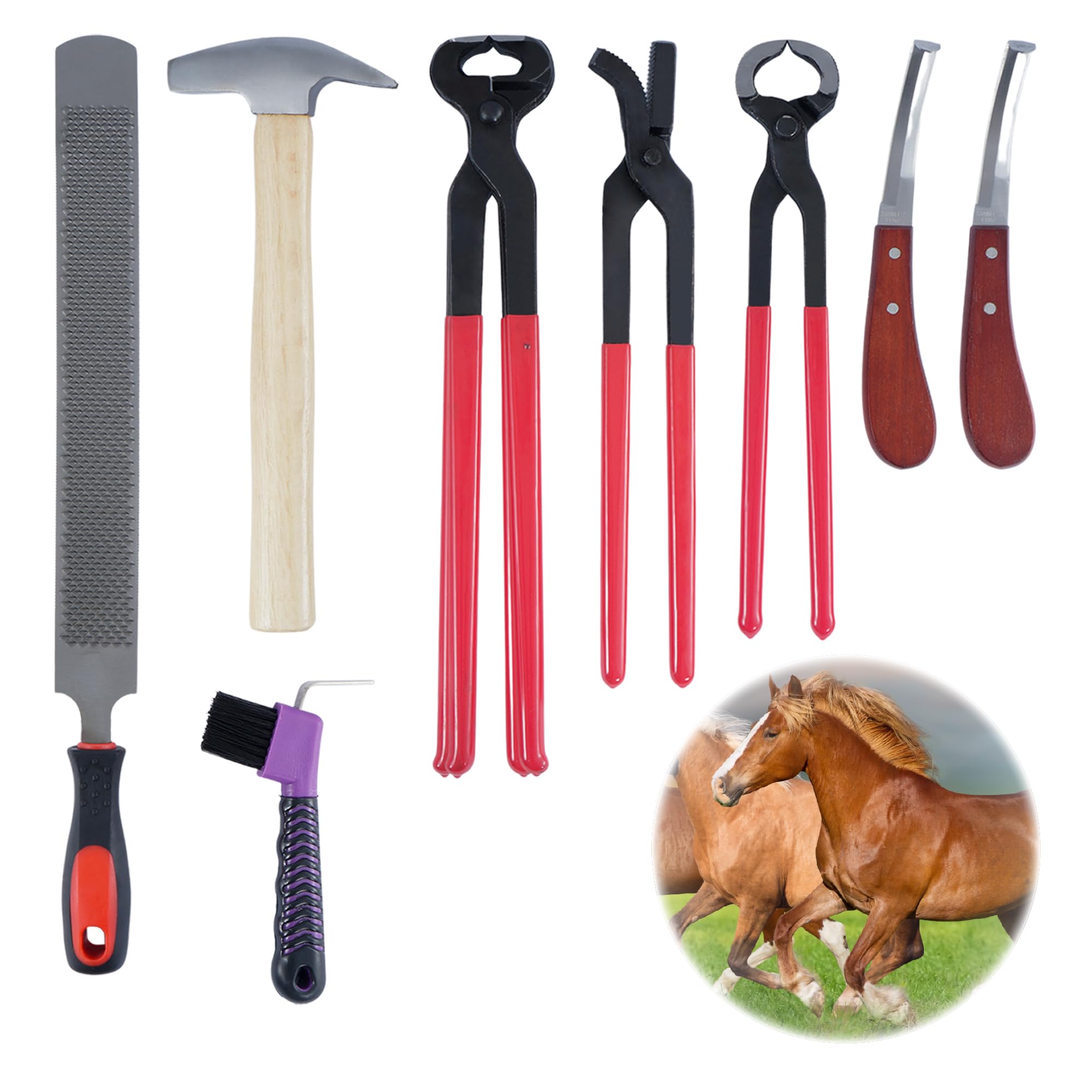
Here's something owners rarely hear said plainly: a good farrier chooses his clients as much as they choose him. The trade is hard on the body and the schedule is brutal, so the ones who are genuinely skilled keep the barns that make the work go smoothly and quietly let go of the ones that don't. Talk to enough farriers and a clear pattern emerges about what separates the clients they'll drive across the county for from the ones they won't.
Start with the horse. The single best thing you can do is have a horse who stands well for his feet, and that's on you, not the farrier. A horse who's been handled daily and taught to give each foot patiently makes a forty-five-minute appointment instead of a ninety-minute wrestling match. If your horse is difficult, say so honestly beforehand and work on it between visits — daily handling, the kind of routine that comes naturally if you're already in the habit of picking out hooves the right way. A farrier would far rather hear "he's nervous about his hinds, we're working on it" than get surprised by it bent over a hock.
Then the basics of being a good client. Be ready when the farrier arrives: horse caught, clean, and dry, in a level, well-lit, sheltered spot with the other horses sorted so nobody's working next to a screaming buddy. Have the foot picked out. Hold the horse yourself or have a competent person do it, off the phone and paying attention. Keep dogs and loose kids away from the work area, because a startled horse and a sharp tool is how people get hurt.
Money matters more than people admit. Pay on the day, every time, the amount agreed. Farriers carry their tools, fuel, and bodies to your barn; chasing payment is the fastest way to drop a client. If you value the work, the check shouldn't be a question.
Respect the schedule on both ends. Book your standing appointment in advance and keep it — last-minute cancellations leave a hole that's hard to fill. Stay on a sensible cycle rather than calling only when a shoe's flapping; that "how often" question has a real answer, and we lay it out in how often does a horse need the farrier. And if your horse throws a shoe at an awkward time, an established client who's easy to work with gets squeezed in; a chronic headache gets told to wait.
Communicate, and trust the expertise you're paying for. Tell the farrier what the horse is doing — short on the right rear, footy on gravel, the trainer wants more traction. That's gold. But once you've said your piece, let the farrier do the job. The least welcome clients are the ones who read one article and now want to direct the trim. By all means understand the issues; have an opinion on the barefoot-or-shod question. Just bring it as a conversation, not a set of instructions, and be open to "here's why I'd do it differently."
Loop the farrier in with your vet. The best outcomes on laminitis, navicular, and serious lameness come from a vet and farrier working off the same radiographs and the same plan. A client who connects the two of them, rather than relaying garbled messages back and forth, gets a better-served horse.
Small courtesies go a long way too. A place to wash up, a coffee on a January morning, a heads-up if the driveway's iced over. None of it is required and all of it is remembered.
The honest summary: be ready, be reliable, pay promptly, handle your horse, and treat the relationship as a long partnership rather than a transaction. Do that and you'll have a skilled farrier on speed dial for years, your horse will stay sound on a steady schedule, and you'll never be the barn scrambling to find someone the week before a show. Good farriers aren't really scarce — good clients are, and they get looked after.