Picking out hooves the right way (and what you find when you do)
It looks like the simplest job in the barn, and most people do it too fast to actually learn anything. Done right, the daily hoof pick is your best early-warning system.
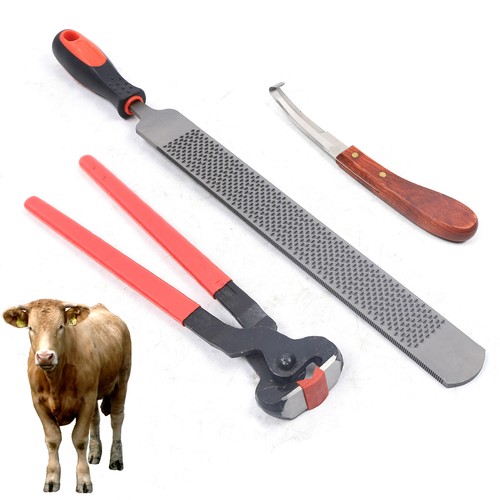
Picking out feet is the first thing most people learn and the last thing most people do well. They scrape out the obvious mud, drop the foot, and move on. But the daily hoof pick isn't just housekeeping — it's a thirty-second health check on the structure holding your horse up, and the horses whose owners do it properly are the ones that rarely turn up with preventable problems.
Do it before and after every ride, and once a day even on days off. Get into a routine so the horse expects it and stands quietly. Here's how to do it:
1. Stand at the horse's shoulder facing the tail, run your hand down the back of the leg, and ask for the foot — a light squeeze of the chestnut or a cue on the fetlock. Don't yank; lean into the shoulder slightly so the horse shifts his weight off that foot and gives it willingly.
2. Hold the foot supported in one hand and work the pick from heel toward toe, away from you, so you never drive the point into the soft frog or your own hand. Clear both collateral grooves alongside the frog and the central cleft up the middle, where packed manure and stones love to hide.
3. Pick out the whole sole, then look at what you've uncovered. Run the pick gently around the white line, check for any stones lodged near the bars, and on a shod horse make sure the shoe is tight and the clinches are flat, not risen and sharp.
4. Use a stiff hoof brush to sweep the sole clean so you can actually see it. A foot that looks clean with debris still smeared across it is a foot you can't read.
5. Finish by running a thumb around the coronary band and the heel bulbs, feeling for heat or swelling, and note anything odd before you set the foot down gently — never drop it.
That's the mechanical part. The valuable part is what you notice while you're down there. A sharp, rotten smell and black ooze in the grooves is thrush, and the sooner you catch it the easier it clears — we walk through that in thrush: that black smell and what to do about it. Heat in one foot, a strong digital pulse, or a horse who flinches when you press a spot can be the first warning of an abscess brewing. A stretched, crumbly white line, new cracks, flares at the toe, or a loose shoe all tell you something before it becomes a lameness.
Knowing what you're looking at makes all the difference, and it's worth understanding how the foot actually works so the frog, white line, and bars aren't just shapes but things you can assess. A foot you understand is a foot you can monitor.
A few practical tips. Keep a pick with a brush on the end clipped by the cross-ties and another in your trailer, so you're never without one. Pick out the feet of a horse coming in from a stony trail immediately, before a lodged stone bruises the sole. After heavy rain, pay extra attention to the grooves where thrush gets started. If you find a stone wedged tight against the frog or near the bars, work it out gently rather than gouging.
The horse who won't pick up his feet usually wasn't taught patiently, and that's worth fixing with quiet, consistent groundwork rather than a fight every day. A horse that gives his feet easily is safer for you, your farrier, and your vet.
None of this takes longer than brushing the horse off. But the owner who really looks at four feet every day catches the thrush at day two instead of day twenty, feels the heat before the horse is dead lame, and walks into the farrier appointment already knowing what's going on. That habit is worth more than any product in the tack room.