Putting weight on the hard keeper safely
Before you dump in more grain, rule out the reasons a horse can't hold weight. Then add calories the way the gut can handle them — slowly, and mostly from fat and fiber.
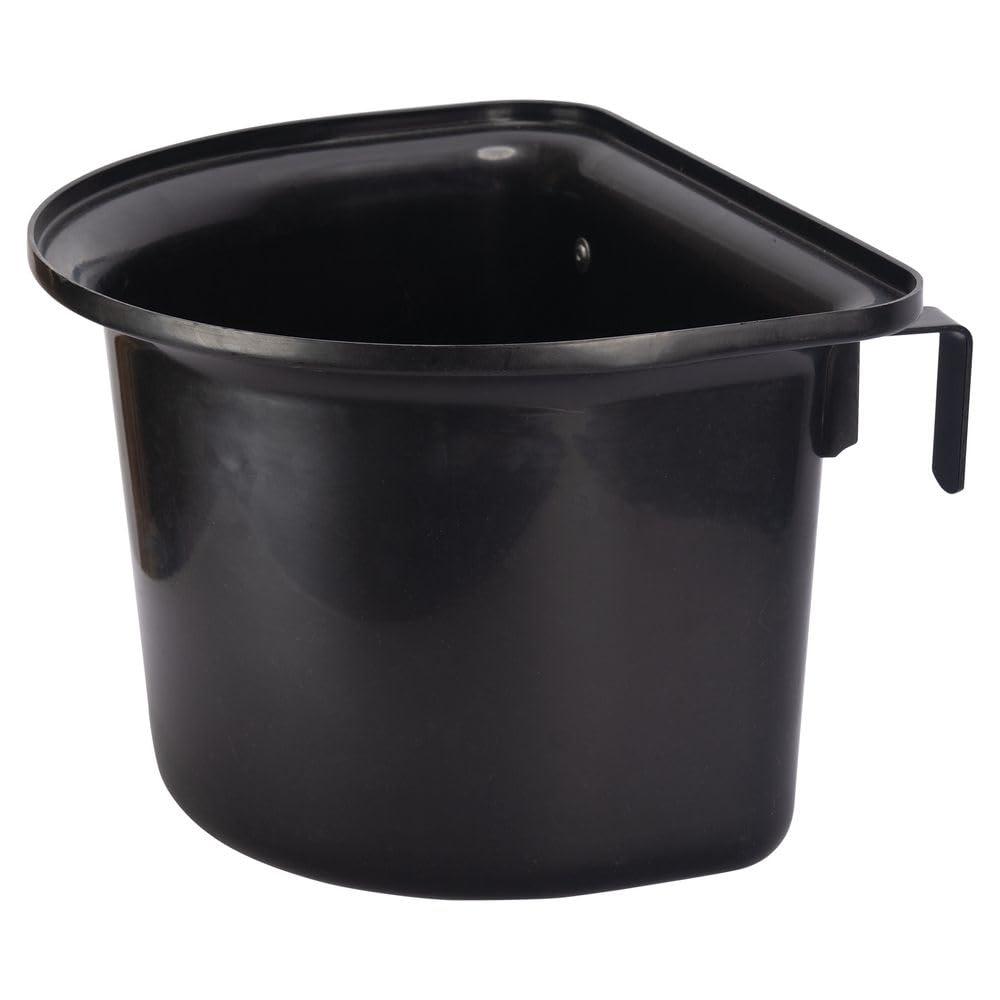
The Thoroughbred mare at the end of the aisle eats more than any horse in the barn and still shows ribs in February. Her owner keeps adding grain, the mare keeps getting hotter and looser in the manure, and the weight still doesn't come. This is the hard keeper's trap: the instinct is to pour in more concentrate, but starch-dumping a thin horse usually backfires, souring the hindgut and risking colic and ulcers without adding much real condition. Putting weight on safely means working in order.
First, rule out the reasons the horse can't hold weight, because most "hard keepers" have a fixable cause. Float the teeth — a horse who can't grind hay drops weight no matter what you feed, and dental problems are wildly common in horses who quid or pack feed. Run a fecal egg count and deworm based on the result, not the calendar. Check for ulcers, especially in nervous, hard-working, or stalled horses, where they're nearly the rule. And rule out underlying disease: in a senior who's wasting, PPID (Cushing's) and chronic conditions belong on the list, which is part of why thin older horses deserve a fuller workup, covered in caring for the senior horse. Track the progress honestly with monthly body condition scoring so you know whether what you're doing is actually working.
Once the foundation is solid, build calories in the right order. Forage first, always: a hard keeper should have as much good hay as he'll eat, and adding a richer forage is often the single most effective move. Alfalfa runs higher in calories, protein, and calcium than grass hay, and a few pounds blended into the ration can do more than a bag of feed — with the bonus that alfalfa helps buffer stomach acid, which matters for the ulcer-prone. Beet pulp, soaked, is a superb "super fiber": calorie-dense, gentle on the hindgut, and easy for poor teeth to manage.
Then reach for fat before you reach for more grain. Fat delivers more than twice the calories of starch per pound, without the blood-sugar spike or the hindgut acidosis that excess grain causes, and most horses tolerate it well once introduced gradually. Added oil — vegetable, or a stabilized rice bran — top-dressed and worked up slowly to a cup or two a day, packs serious calories into a small volume. High-fat commercial feeds in the 8 to 12 percent fat range are built for exactly this horse.
Only after forage and fat are maxed should you lean on a calorie-dense concentrate, and even then, split it. The equine stomach is small, and a hindgut handles starch best in modest doses, so the same six pounds of feed does more good as three two-pound meals than as one giant scoop. Feeding more often, in smaller amounts, is one of the most underused tools for the hard keeper. If the horse is in heavy work, account for those calories too — you can't out-feed a horse who's burning everything you add.
A word on temperament, because it's often the hidden cause. Some hard keepers are simply anxious horses who burn calories worrying — the stall-walker, the fence-line pacer, the mare who frets at feeding time. For these, more turnout, a calmer routine, a buddy, and forage in front of them most of the day will add more condition than any feed, because you're reducing the calorie drain instead of just refilling it. Ulcer treatment, where warranted, often unlocks weight that no amount of grain could.
Go slowly. The whole point of feeding a hard keeper is that his gut is already on the edge, so every change — new feed, more oil, richer hay — gets phased in over a week or two so the hindgut bacteria can adapt. The fastest way to undo a month of careful weight gain is a sudden feed change that tips him into colic. Build the ration deliberately, add fat and fiber before starch, weigh the results monthly, and that ribby mare fills out over a season instead of bouncing between thin and colicky. Patience is a feed ingredient too.