Caring for the horse in his twenties
Horses are living longer and working later than ever. Here's how to keep the old campaigner thriving in his twenties, from his teeth to his topline to his daily routine.
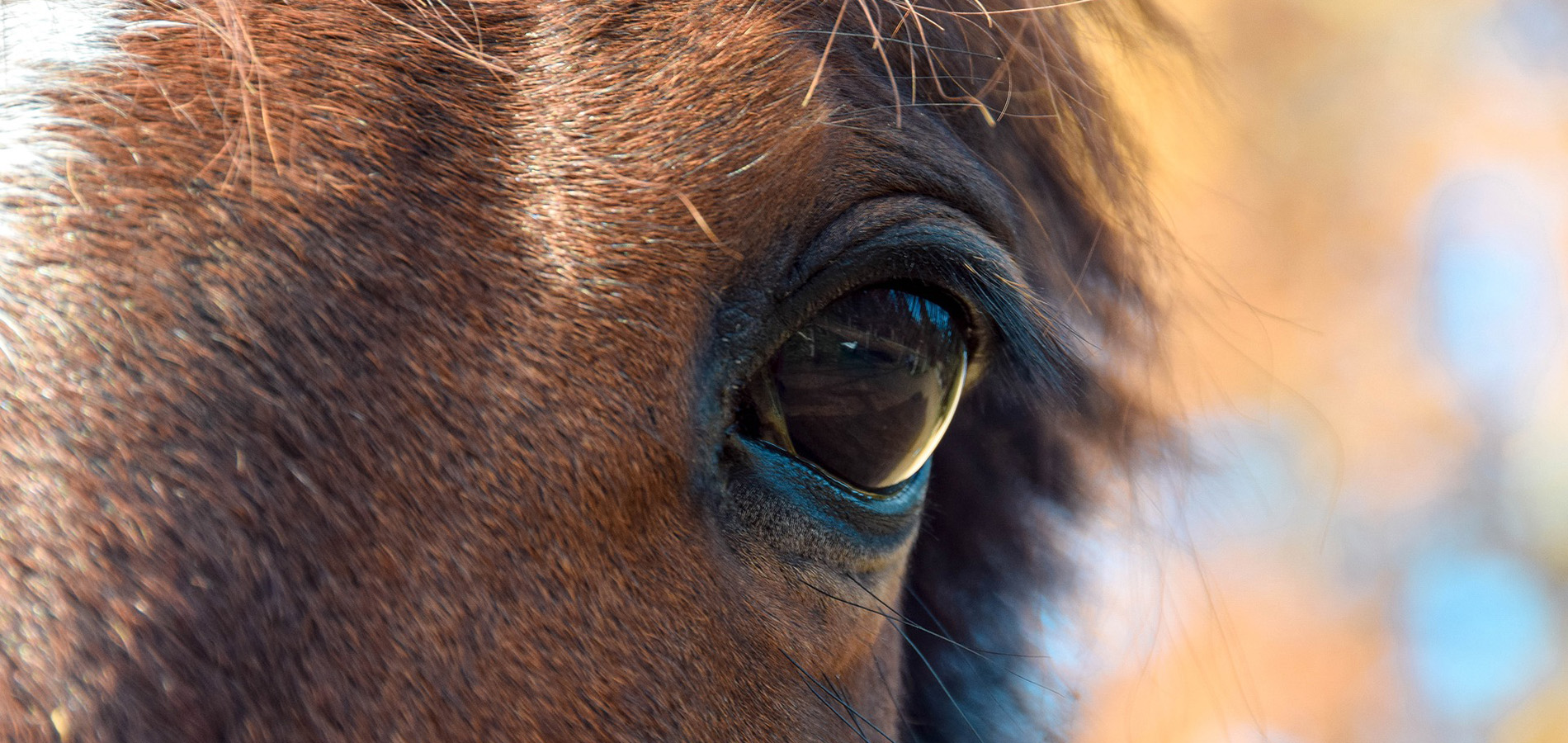
Twenty isn't old the way it used to be. Better nutrition, better dentistry, and better veterinary care mean it's ordinary now to see horses sound and working into their late twenties and grazing comfortably into their thirties. But a horse in his twenties is a different animal to manage than a horse in his prime, and the owners who do it well are the ones who adjust early rather than waiting for the old fellow to start sliding. The goal isn't to baby him. It's to support the systems that are quietly changing so he stays the bright, muscled, engaged horse he was, just older.
Start with the mouth, because it drives everything downstream. Senior teeth wear down, loosen, and sometimes fall out, leaving gaps, waves, and surfaces that can no longer grind long-stem hay effectively. A horse who's quidding wads of half-chewed hay or dropping weight despite a full hay net is usually telling you his mouth has changed, which is why senior horses need the close dental attention we describe in why your horse's teeth need a yearly look, often more than once a year. When the teeth can no longer manage hay, you don't feed less; you change the form, moving to chopped forage, soaked hay cubes, beet pulp, or a complete senior feed that doesn't require much grinding.
Weight management in seniors cuts both ways, and you have to know which horse you have. Many older horses become hard keepers, losing topline and condition because they're absorbing less from the same feed, often compounded by dental loss and a sluggish gut. Those horses need a denser, more digestible ration, and the strategy in putting weight on the hard keeper safely applies directly, with senior-specific feeds formulated to be easy to chew and easy to absorb. Other seniors stay easy keepers and tip toward obesity, which is its own danger in an aging horse. Learn to feel his ribs and topline under your hands rather than trusting your eyes through a winter coat, and adjust before the scale gets away from you in either direction.
Watch for the conditions that cluster in older horses. Pituitary pars intermedia dysfunction, the disorder we used to call Cushing's, is extremely common past the late teens; the classic sign is a long, curly coat that doesn't shed out properly, along with muscle loss, increased drinking, and a tendency toward laminitis and infections. It's manageable with daily medication, so if your old horse looks shaggy in July, ask your vet to test rather than chalking it up to age. Arthritis is nearly universal in this age group too, and keeping those joints moving and comfortable is its own project that we lay out in keeping the arthritic horse comfortable and working. Both conditions reward early detection, which means your senior horse earns a more thorough annual vet exam, ideally with bloodwork to catch kidney, liver, or metabolic changes before they show on the outside.
Daily management shifts in small ways that add up. Seniors regulate their body temperature less efficiently, so they feel both summer heat and winter cold more acutely; an old horse may need a blanket earlier in the fall and shade and fans he didn't used to require. They often do best with maximum turnout, because steady, gentle movement keeps arthritic joints loose and the gut working, but they can also slide down the herd pecking order and get bullied off hay and water. Watch how he's doing socially, and if he's getting run off his feed, consider a quieter paddock or a compatible companion. Make sure he can always reach clean, unfrozen water, since dehydration is a common and avoidable trigger for impaction colic in older horses.
None of this is complicated, but it does require paying closer attention than you might have in his middle years. Run your hands over him regularly, weigh-tape him monthly so you catch slow changes, keep the dental and vet calendars tight, and adjust his feed and blanketing as his body tells you to. The reward is real: a horse in his twenties who's properly supported can stay sound, sharp, and useful, packing a beginner around or hacking out happily, long after his contemporaries have faded. These old campaigners gave us their best years. Managing the later ones well is how we pay that back.