Liability, waivers, and insurance for boarding barns
Horses are large, unpredictable, and surrounded by people on your property. One bad afternoon can end a barn that isn't properly covered. Here's how the pieces of protection fit together.
The phone call every barn owner fears comes on an ordinary Sunday: a visitor she'd never met had wandered up to a boarder's gelding at the fence, gotten bitten, and was now talking about a lawsuit. This particular barn owner had no commercial liability policy because she "only had a few boarders," no signed liability releases, and no signage. She was, in a word, exposed. She got lucky and settled small, but it scared her straight, and it should scare all of us into getting this right before something happens rather than after.
Liability protection for a boarding operation isn't one document or one policy. It's several layers that work together, and a gap in any of them can sink you. Here's how they fit together.
Start with your state's equine activity liability act. Nearly every state has one, and they generally limit your liability for injuries arising from the "inherent risks" of equine activities — a horse spooking, bucking, biting, or behaving unpredictably. But these statutes only protect you if you comply with their specific requirements, which usually include posting the exact warning sign the law prescribes and including the statute's precise wording in your contracts and releases. Look up your state's act, post the correct sign at every entrance and arena, and put the required language in your paperwork. The protection is real but conditional, and people forfeit it constantly by skipping the formalities.
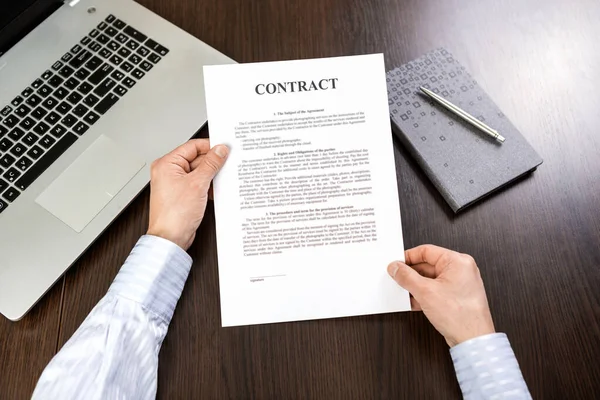
Next, your contracts and waivers. A well-drafted boarding agreement should include an assumption-of-risk clause, a liability release, and an indemnification provision, all consistent with your state's law. A separate visitor or guest waiver matters too — every lesson student, every owner's friend who comes to watch, every farrier and bodyworker should be on record acknowledging the risk. This is one more reason we're relentless about writing a boarding contract that protects you and having an attorney licensed in your state review it, because a waiver with the wrong wording can be worth less than the paper it's printed on.
Then, insurance — and this is where barns under-buy most often. A homeowner's policy almost never covers a commercial boarding operation, and discovering that after a claim is catastrophic. The coverages to discuss with an agent who specializes in equine and farm risk:
Commercial general liability, which covers third-party injury and property damage — the bitten visitor, the slip on your wash-rack, the boarder hurt on your property.
Care, custody, and control coverage, which is specific and crucial: it covers your legal liability for the boarded horses themselves, animals you don't own but are responsible for. Standard liability often excludes them, so you have to ask for it by name.
Commercial property coverage for your barn, equipment, hay, and tack, and a farm or business owner's policy to bundle these.
An umbrella policy that sits on top of the others, because equine claims can blow past base limits quickly.
Make sure your boarders carry their own coverage too. Require, in your contract, that owners insure their own horses for mortality and major medical if they want that protection, and consider requiring them to carry personal liability. Your insurance protects the business; theirs protects their animal and themselves, and the line between the two needs to be written down so nobody assumes you've got it handled.
Finally, the operational side of protection, which insurance can't replace. Maintain your fencing and facilities, because a known hazard you ignored erodes every legal protection you have. Document incidents when they happen — date, what occurred, witnesses, photos — so you're not reconstructing it from memory two years later in a deposition. And tie this into your broader emergency preparedness plan for your barn, because how you respond to a fire, an injury, or a loose-horse incident affects both the outcome and your liability.
None of this is the fun part of running a barn. But the owners who treat it as overhead they can skip are gambling their home, their savings, and their livelihood on nothing bad ever happening around a thousand-pound animal. Spend an afternoon with a good equine insurance agent and an equine attorney, build the layers properly, and then go back to the work you actually love, knowing one bad Sunday won't end everything you've built.