Filling empty stalls without slashing your rates
An empty stall is a leak in your budget, but dropping your price to fill it just trains the market to expect less. Here's how to attract the right boarders at a rate that pays you.
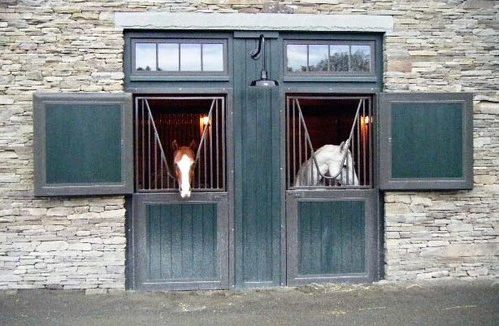
Three empty stalls can send a barn owner into a small panic, and panic makes barn owners do the one thing they shouldn't: drop the rate. Take on one boarder at $100 under board to "stop the bleeding," and you'll spend a year resentful, underpaid, and unable to raise her rate to match everyone else's without an ugly conversation. Cutting price to fill a stall is the marketing equivalent of selling the furniture to pay the heating bill. It works for a month and costs you for years. The better path is to market well enough that the right people seek you out at a fair price.
Start with the truth that boarders aren't actually price shopping — they're risk shopping. When someone moves their horse, they're terrified of choosing a barn where their animal will be neglected, the footing will lame him, or the drama will exhaust them. Your entire marketing job is to reduce that fear and make the quality of your care visible. Get that right and your rate, set properly to begin with so it covers your costs and earns a margin, stops being the deciding factor.
Here's what fills stalls without discounting.
Make your online presence show the daily reality, not a glamour shot. Most barns have either no web presence or a single grainy photo from 2016. A simple page or active social account showing clean aisles, healthy horses, good fences, organized turnout, and happy people does more than any ad. Post the ordinary excellence — a tidy feed room, horses dozing in a green paddock, a clinic day. Prospective boarders are reading those photos for evidence that you've got it together.
Turn your current boarders into your sales force. The best new boarder is a referral from a happy current one, because trust transfers. The way you earn referrals is by being so consistently good to communicate with that your people brag about you, which is downstream of the same owner-retention work that keeps your good boarders in the first place. A small referral credit — say a month's discount split between referrer and newcomer — turns goodwill into move-ins.
Get specific about who you're for. "Boarding available" attracts everyone and no one. "Quiet, well-managed dressage-friendly barn with all-weather footing and twelve hours of daily turnout" attracts exactly the boarder who'll thrive with you and stay. A clear niche lets you charge a fair rate because you're not competing on price with every barn in the county — you're the right fit for a specific person.
Make the first contact effortless and the first visit impressive. Answer inquiries the same day; the barn that responds within an hour usually wins the boarder regardless of price. When they visit, have the place looking the way it normally does (not staged), introduce them to a current boarder, and be honest about what you offer and don't. People can smell a sales pitch, and authenticity closes.
Fill from a position of strength, not desperation. If you've got one stall open, you can afford to be selective and wait for a horse and owner who fit. A poorly matched boarder taken on out of fear costs you in drama, mismatched expectations, and eventual turnover. Sometimes the most profitable move is to leave a stall empty one more month rather than fill it with a problem.
Keep a waitlist even when you're full. The barns that never panic about vacancies are the ones with a short list of people already wanting in. When a horse ships out, you make a call instead of an ad. Building that list is just the same referral and reputation work, paying off in advance.
The barns that stay full at a healthy rate aren't the cheapest in the area — they're the ones where the quality is obvious, the boarders are loyal enough to recruit for you, and the owner is confident enough not to flinch at an empty stall. Build that, and you'll find yourself choosing boarders rather than chasing them.