Getting back on: riding after a bad fall
The old advice to just get back on can do real harm. Fear after a fall is your brain doing its job. Here's how to rebuild trust in yourself and your horse, at your own pace.
The worst advice in horsemanship is the cheerful command to "just get back on." Sometimes, right after a small tumble, that's exactly right — shake it off, climb aboard, end on a good note. But after a genuinely bad fall, after the broken wrist or the concussion or the moment you were sure you were seriously hurt, forcing yourself back into the saddle before you're ready can carve the fear in deeper and set you back months. Fear after a fall isn't weakness. It's your nervous system doing precisely what it evolved to do: flag a thing that hurt you and demand a better plan before you do it again.
We've watched a lot of adult riders come back from this, and the ones who recover lastingly all have one thing in common — they go slower than their ego wants to. There's no prize for rushing. The fear lifts when your brain accumulates enough new evidence that riding is safe, and you can't shortcut the gathering of that evidence.
Start on the ground, and stay there longer than you think you should. Grooming, leading, groundwork, just being around horses again rebuilds the baseline relaxation that fear has stolen. If your fall involved a spook or a bolt, this is also where you regain a sense of control, because a horse who yields and stops softly on the ground is a horse you can influence — the same groundwork foundation that steadies any anxious horse steadies an anxious rider too.
When you do get on, change the variables that scare you. Ride the quietest schoolmaster in the barn, not the horse that dumped you. Have a trusted instructor on the ground and, if it helps, start on a lunge line so all you have to do is sit and breathe while someone else controls the horse. Begin at the walk and genuinely stay there for as many sessions as it takes — there is no timeline you owe anyone. Some riders spend weeks at the walk before they're ready to trot, and those riders tend to be the ones still riding happily years later.
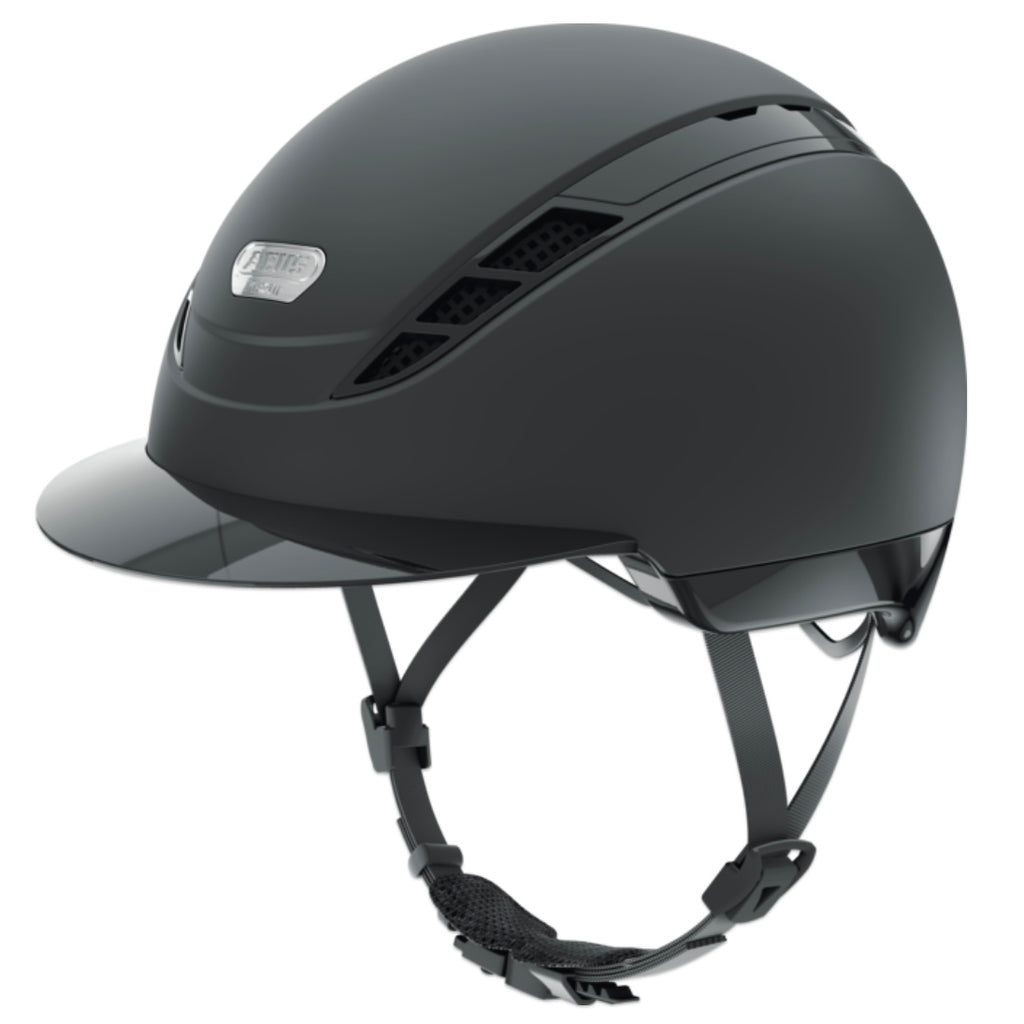
Tools help. A neck strap gives your hands something secure to hold. Breathing exercises — long, slow exhales — interrupt the panic loop, because you physically cannot stay in fight-or-flight while breathing slowly and deliberately. Many riders returning from a hard fall find real value in working with a sports psychologist or even a therapist; there's no shame in it, and it's often faster than white-knuckling alone. And gear matters more now than ever: a well-fitted helmet and, for many riders, an air vest restore a sense of protection that makes the brain willing to take the next small risk. If yours is worn or wasn't replaced after impact, choosing a riding helmet is the place to start, because a helmet that's taken a hit has done its one job and needs replacing.
Be honest with yourself about what you actually want, too. Some riders return to exactly what they did before; others discover they're happier hacking quietly on the trail than jumping, and that's a completely valid outcome rather than a failure. The goal is a riding life you enjoy, in whatever shape that takes.
If it's been a long time, or the fall took the basics with it, consider it a fresh start rather than a comeback. Booking a few lessons as if you were new again, with no pressure and no ego, can rebuild your foundation cleanly — what to expect in a first lesson is as useful to a returning rider as to a brand-new one. Getting back on isn't a single brave moment. It's a hundred small, safe ones, stacked until the horse feels like a friend again instead of a risk.