Choosing a riding helmet: the one piece of gear you don't cheap out on
A helmet has one job and a five-year clock. Here's how to pick one that's certified, fits your actual head, and gets replaced on schedule instead of when it's already too late.
Some links in this article are affiliate links; Apex Equine may earn a commission at no extra cost to you.
There is no debate worth having about a riding helmet. It's the only piece of gear standing between your skull and the ground, the ground always wins, and a helmet is cheap compared to a traumatic brain injury. So this is the one place in the tack store where "good enough" isn't, and where the most expensive option isn't automatically the right one either. Fit and certification matter more than price.
Certification first. In the United States, a riding helmet must be ASTM/SEI certified — that label means it was independently tested to actually protect against the kind of impact you get falling off a horse. A bike helmet is not the same thing and won't protect you the same way. Don't buy a used helmet, ever, no matter how clean it looks, because you can't see whether it's already absorbed an impact that compromised the foam. Every reputable retailer sells only certified helmets; SmartPak's riding helmet selection lists the certification right on each product page so you can confirm before you buy.
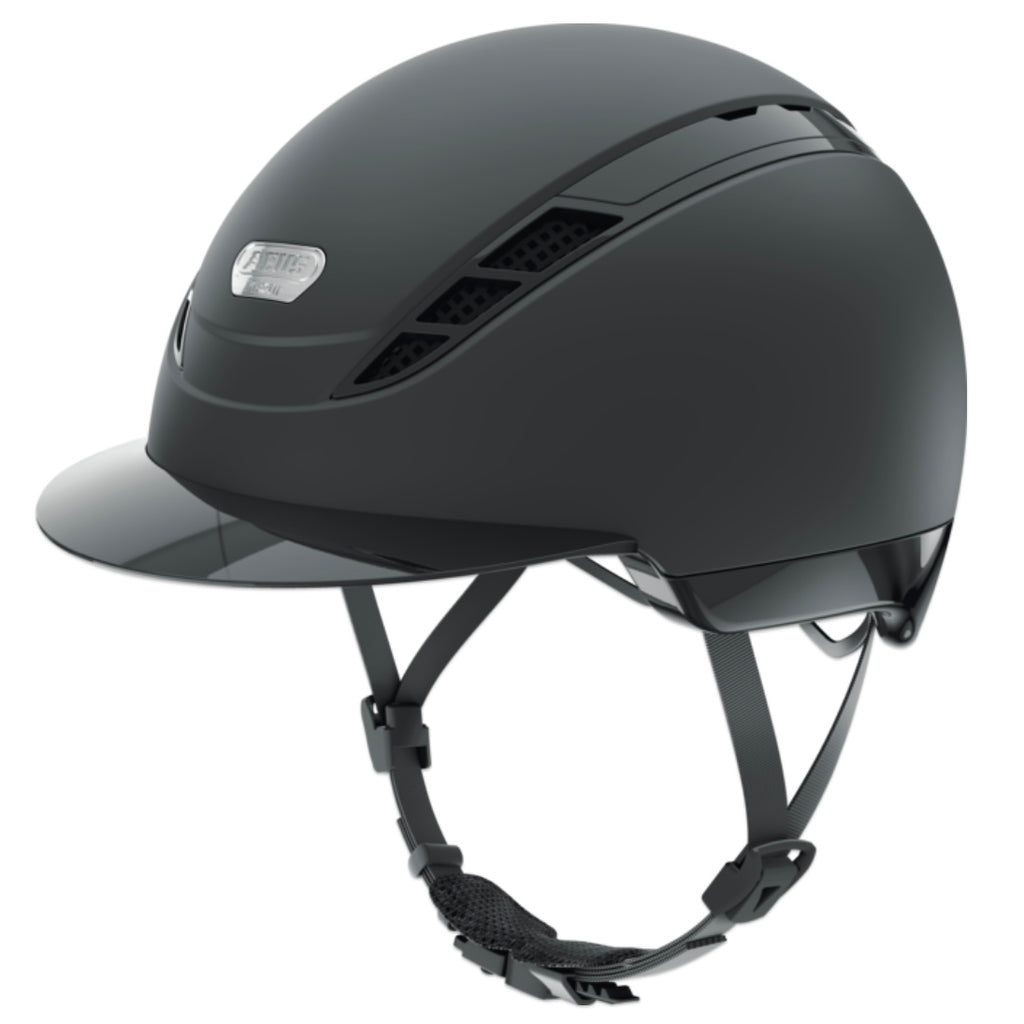
Fit is what actually saves your head, and it's specific to the shape of your skull, not just the size. Measure your head with a soft tape around the widest part, about an inch above your eyebrows, and start from that number. But heads come in shapes — some round, some oval — and a helmet that fits a round head will perch and wobble on an oval one. The helmet should sit level, about two fingers above your eyebrows, snug all the way around with no pressure points, and it should not rock front-to-back or side-to-side when you shake your head before the chin strap is even buckled. When Priya at Hollowbrook switched from a generic round-fit helmet to a long-oval Charles Owen, the constant forehead pressure she'd assumed was normal simply vanished. Dover carries the full Charles Owen and One K range in multiple shell shapes, which is worth seeking out if standard helmets never feel right.
Ventilation and weight are comfort features, and comfort matters because a helmet you actually keep on your head is the one that protects you. A hot, heavy helmet is one you're tempted to take off on a summer hack, which is exactly when a green horse spooks. Lighter, well-vented models from Tipperary, IRH, and the like cost a bit more but earn it in the saddle. Riding Warehouse stocks well-ventilated schooling helmets across every price point, and even the budget end is fully certified.
Now the part everyone ignores: helmets expire. Replace yours every five years even if it looks perfect, because the protective foam degrades with sweat, heat, and time. And replace it immediately after any fall where your head hit the ground or the helmet took an impact — the foam crushes once to absorb a blow and can't do it again, even if there's no visible crack. Manufacturers like Troxel will often replace a crashed helmet at a discount through their replacement program, so register yours when you buy it. Write the purchase date inside the helmet with a marker so you actually know when the clock runs out; a cheap helmet care and storage bag keeps it out of the sun and crud that age it faster between rides.
A short checklist before you buy: confirm the ASTM/SEI sticker, measure your head and match the shape not just the number, try it on and shake your head hard before buckling, and check that it sits level and low. New riders especially should get this sorted before lesson one, because a borrowed barn helmet that doesn't fit is barely better than none — it's worth knowing what to expect in your first riding lesson and showing up with your own properly fitted helmet. Once your head is covered, the rest of your protective gear follows the same logic of fit-before-flash, including the boots and leg protection for your horse. A helmet is the cheapest insurance you'll ever buy. Wear it every ride, fit it right, and replace it on schedule.