Thrush: that black smell and what to do about it
You'll smell it before you see it — a sharp, rotten reek when you pick out the foot. Thrush is common, manageable, and almost always a sign your management slipped. Here's how to clear it.
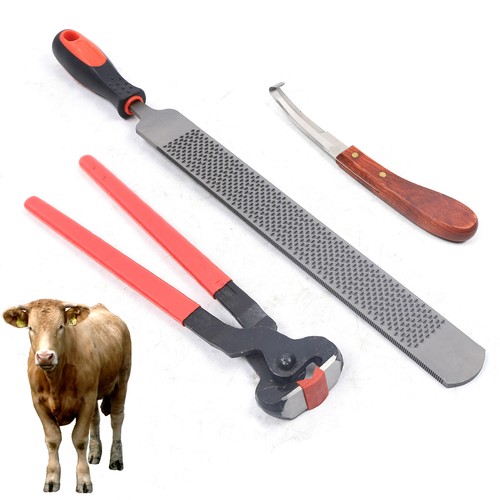
The first sign is usually your nose. You pick up a hind foot, lean in, and there it is: a sour, rotten-egg stink and a black, tarry ooze packed into the grooves alongside the frog. That's thrush — a bacterial and fungal infection of the frog that thrives in the warm, airless, wet environment of a dirty foot. It's one of the most common things a farrier finds, and one of the most preventable.
Thrush lives in the collateral grooves, those clefts on either side of the frog and the central one up the middle. Mild cases just smell and look grimy. Left alone, it eats into the frog, deepens those grooves, and can reach sensitive tissue — at which point you've got a lame horse and a much bigger problem. A horse standing in a wet, manure-packed stall, or one in a muddy paddock all spring, is the classic candidate. Deep, dirty, infrequently cleaned bedding is thrush's favorite home.
Catching it depends entirely on handling the feet often enough to notice, which is the real reason daily picking matters — if you're not in the habit, start with picking out hooves the right way. Here's how to treat a routine case:
1. Clean the foot thoroughly. Pick out every groove, then take a stiff hoof brush or an old toothbrush and scrub the frog and clefts with water until you've removed all the packed debris. You can't treat what you can't reach, and thrush hides deep in those grooves.
2. Dry the foot completely. Thrush is anaerobic — it hates oxygen and dryness. Towel the frog and clefts dry before you apply anything, because a wet foot dilutes your treatment and keeps the bad environment alive.
3. Apply a thrush treatment into the grooves daily. A copper sulphate product or a commercial thrush remedy works well; dilute iodine does too. Get it down into the clefts with a syringe or a saturated cotton swab, not just smeared on the surface. Avoid harsh undiluted bleach or full-strength formalin, which burn healthy tissue along with the infection.
4. Fix the environment, or you'll be doing this forever. Strip and re-bed the stall, improve drainage in the muddy gateway, and get the horse onto dry footing for part of the day. Thrush is a management disease far more than a medical one.
5. Recheck daily and track your progress. The smell should fade within a few days and the black ooze should dry up within a week or two. Keep picking and treating until the grooves are clean, dry, and odor-free.
A few judgment calls. If the horse is lame, if you see blood or sensitive tissue when you clean, if the central groove is deep and pinched, or if it isn't improving after a week of honest treatment, get your farrier or vet out. A farrier can trim back undermined frog so air and medication reach the infection, and that often turns a stubborn case around fast. Deep thrush near sensitive structures isn't something to keep home-doctoring.
Don't confuse thrush with an abscess, either — thrush is a chronic surface infection that smells and oozes, while an abscess is a sudden, dramatic, three-legged lameness from pressure building inside the foot. If your horse goes acutely lame rather than just grimy and smelly, read hoof abscess: the sudden three-legged-lame horse instead, because the response is completely different.
Prevention is genuinely simple and almost free: pick the feet out every day, keep stalls clean and dry, improve the wet spots in your turnout, and keep your trim cycle steady so the frog stays healthy and self-cleaning. The horses we see with chronic thrush almost always live in chronically wet, dirty conditions. Clean up the footing and the feet usually clean themselves up too. Thrush is your horse's way of telling you the ground he's standing on needs attention — listen to it early and it never becomes serious.