Colic: what to watch for and what to do before the vet arrives
Colic is the leading natural killer of horses, and the minutes between noticing it and calling for help matter. Here's how to read the signs and what to do while you wait.
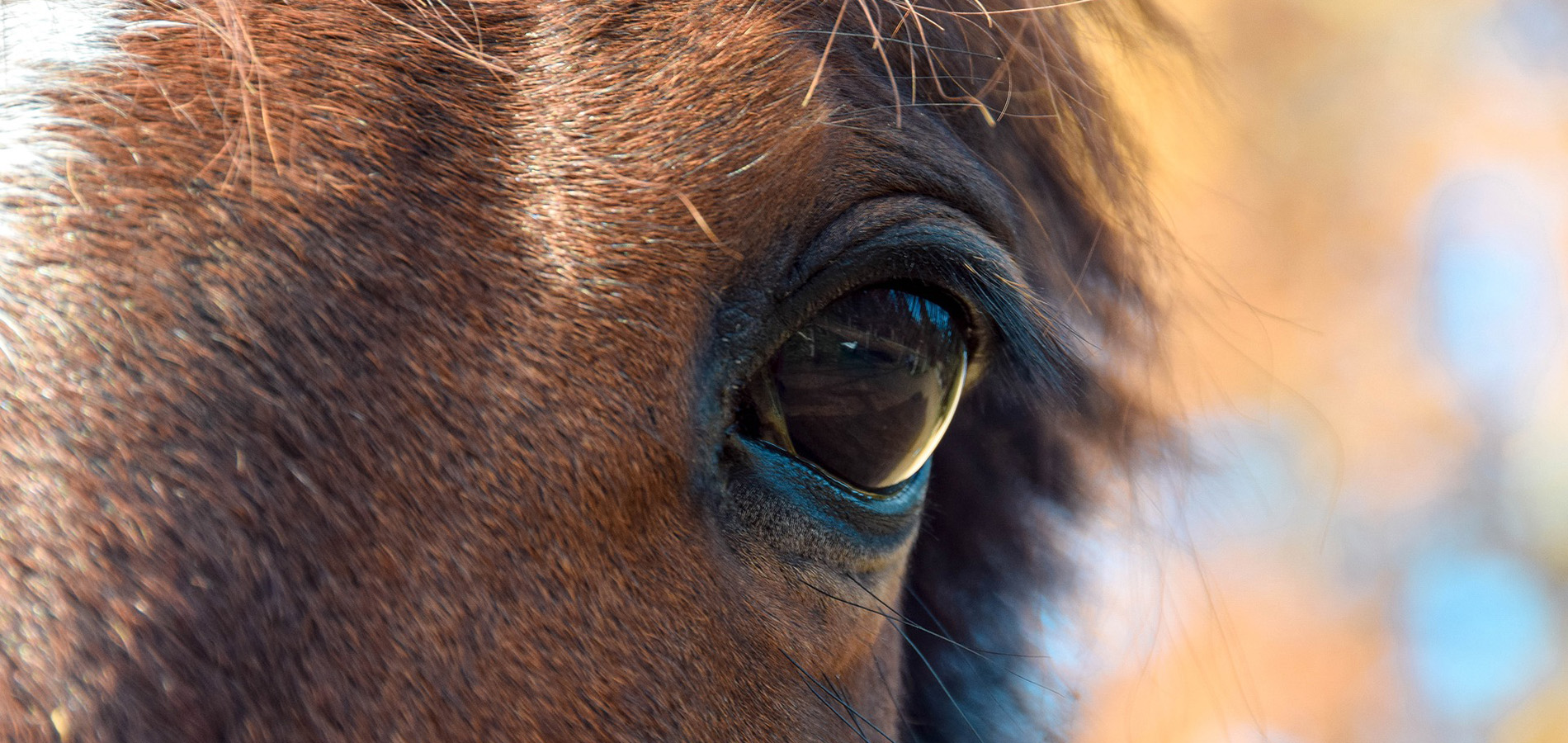
Colic isn't a diagnosis. It's a word that means abdominal pain, and that pain can come from something as simple as a gas bubble or as grave as a twisted gut that needs surgery within hours. The reason every horse owner needs to understand it is that horses can't vomit, can't tell you where it hurts, and can deteriorate from mildly uncomfortable to a true surgical emergency faster than almost any other species. We've watched a quiet Sunday turn into a trailer ride to the clinic over a horse who was eating breakfast normally two hours earlier.
The good news is that the early signs are recognizable if you know your horse's normal. The most common is a horse going off feed when he's usually a vacuum cleaner. Pawing, looking at or biting at his flank, repeatedly lying down and getting up, rolling more than a satisfying after-roll, stretching out as if to urinate without producing anything, and a curled upper lip are all classic. Below are the questions owners ask most, in roughly the order they come up at two in the morning.
Q: How do I know it's colic and not just my horse being lazy or grumpy?
A: Look for a cluster, not a single sign. A horse who skips one flake of hay but is bright, passing manure, and interested in his surroundings is different from one who's pawing, turning to stare at his belly, and won't touch his grain. When several signs stack up, treat it as colic until proven otherwise.
Q: Should I walk my horse?
A: Hand-walking can distract a mildly uncomfortable horse and discourage him from throwing himself down, and it's fine to do while you wait for the vet on the phone. But walking is not a treatment, and exhausting an already painful horse helps no one. If he'll stand quietly, let him. If he's trying to roll violently and could hurt himself or you, gentle walking is reasonable until help arrives.
Q: Can I give him Banamine?
A: Only after you've spoken to your vet. Flunixin (Banamine) is a powerful painkiller that can mask the exact symptoms your vet needs to assess, making a surgical colic look deceptively calm and costing precious time. Never give it intramuscularly in the neck, where it can cause a deadly clostridial infection. Let the vet direct dose, route, and timing.
Q: Should I take away his food and water?
A: Pull the hay and grain, yes, because a compromised gut shouldn't be asked to process a meal. Leave clean water available unless your vet tells you otherwise; a dehydrated horse is a worse colic.
Q: What information will my vet want when I call?
A: Pulse and respiratory rate, gum color, whether he's passing manure, gut sounds if you can hear them, his temperature, and exactly when he last ate and last seemed normal. If you're unsure how to gather those numbers, the rundown in how to take your horse's vital signs and what's normal walks through each one.
Q: How fast do I really need to act?
A: Faster than feels comfortable. A heart rate climbing above 60 beats per minute, pale or purple gums, a sweaty or violently rolling horse, or pain that won't quit through medication are red flags for a serious lesion. Those signs put colic squarely on the list of situations covered in when it's an emergency and you should call the vet now, and the earlier a surgical case reaches a clinic, the better its odds.
Most colics are mild and resolve with a single farm call, some Banamine, and a quiet night. But you can't tell the mild ones from the deadly ones by looking, which is precisely why you call early rather than waiting to "see if he works through it." The horse who needs surgery at hour two has a far better outcome than the same horse at hour eight.
Prevention does most of the heavy lifting: steady access to forage, plenty of clean water, gradual feed changes, regular dental care, a sound parasite program, and minimizing sudden disruptions to routine. Keep the supplies you'd need on hand, too. A thermometer, a stethoscope, and your vet's number live in what actually belongs in a horse first-aid kit, and having them ready means you're gathering useful numbers instead of scrambling when the clock is ticking.