How to take your horse's vital signs (and what's normal)
When you call your vet in an emergency, the first thing they'll ask is for numbers. Here's how to take your horse's temperature, pulse, and respiration, and what the readings mean.
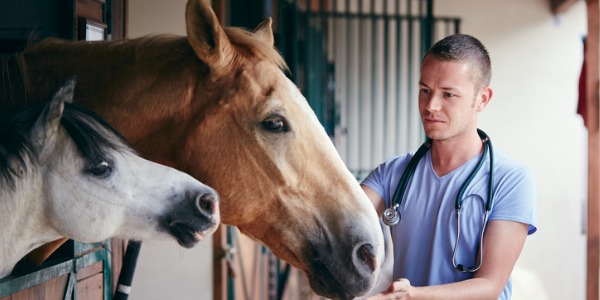
The difference between a useful emergency call and a panicked one is numbers. When a vet picks up the phone at midnight and an owner can report "his temperature is 102.5, his heart rate is 64, gums are a little pale and tacky, and I'm not hearing much gut sound on the right," triage takes seconds. When all the vet hears is "he just seems off," everyone's guessing. Taking vital signs is a basic skill every horse owner should have, and the only way to know what's abnormal is to know what your particular horse reads when he's healthy. Take these on a calm, normal day a few times so you have a baseline, then practice until it's quick.
Here's a routine every new owner should learn.
1. Take the temperature first, because it's the one that surprises people and the one a horse will object to least if you do it calmly. Use a digital thermometer with a string and clip attached to the tail so it can't disappear, lubricate the tip, stand to the side and not directly behind, lift the tail, and insert it a few inches into the rectum angled gently against the wall. Normal adult temperature is about 99 to 101 degrees Fahrenheit. Above 101.5 is a fever worth a call; a temperature climbing toward 104 or beyond, especially in summer, is urgent.
2. Take the heart rate next with a stethoscope placed just behind the left elbow, low on the chest where the girth sits. Each "lub-dub" is one beat. Count for fifteen seconds and multiply by four. A resting adult horse runs about 28 to 44 beats per minute; foals are much faster. A persistently elevated heart rate above 60 in an adult at rest is a serious flag, particularly with colic, where a rising heart rate tracks rising pain. No stethoscope? You can feel a pulse under the jaw where the facial artery crosses the bone, but the stethoscope is far easier.
3. Count respiration by watching the flank or nostrils rise and fall, one inhale-and-exhale being one breath, again for fifteen seconds times four. Normal at rest is roughly 8 to 16 breaths per minute. Watch for effort, not just rate: flared nostrils, heaving flanks, or a breathing rate faster than the heart rate are all wrong and warrant a call. On a hot day, a respiratory rate that won't settle after work points toward heat stress.
4. Check the mucous membranes and capillary refill by lifting the upper lip and looking at the gums. Healthy gums are moist and a pale bubblegum pink. Press a thumb against the gum until it blanches white, release, and count how fast the color returns; under two seconds is normal. Pale, white, bright red, bluish, or brick-colored gums, or a refill time over three seconds, signal shock, dehydration, or a circulatory crisis. Tacky, dry gums and skin that stays tented when you pinch the neck both point to dehydration.
5. Listen for gut sounds, the last piece and a valuable one for colic. Press the stethoscope into the flank on both sides, high and low, and listen for the gurgles, growls, and occasional "flushing toilet" sounds of a working gut. You want to hear activity in all four quadrants. A silent abdomen is a genuine concern, and so, sometimes, are loud frantic sounds; either way, it's information your vet wants.
Write your healthy horse's baseline numbers somewhere you'll find them, because "normal" varies between individuals and knowing your horse's resting heart rate makes a reading meaningful. Keep the tools where you can grab them; a thermometer and stethoscope are core items in what actually belongs in a horse first-aid kit, and practicing with them now means you'll be gathering data, not fumbling, when it counts.
These numbers matter most in the emergency you're likeliest to face. Colic assessment leans heavily on heart rate, gum color, and gut sounds, and the early-response steps in colic and what to watch for before the vet arrives all assume you can produce those readings. A horse's vital signs are him telling you, in plain numbers, how serious the situation is. Learn to listen, and you'll make better decisions and far better phone calls.