When it's an emergency: knowing when to call the vet now
Some problems can wait until morning. Some can't, and a few hours' delay changes the outcome. Here's how to tell the difference and stop second-guessing the late-night call.
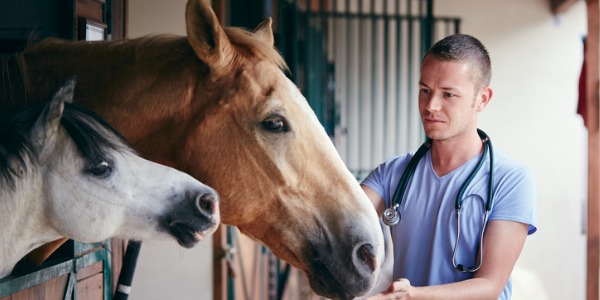
The hardest part of horse ownership at two in the morning isn't the problem itself. It's the question that comes with it: is this actually an emergency, or am I overreacting? Nobody wants to be the client who calls the vet out for a scratch, and nobody wants to be the one who waited until morning while a treatable problem turned deadly. We'd much rather you err toward calling. The cases that go wrong are almost never the ones where someone called too soon. Here are the questions owners ask most about when to pick up the phone.
Q: My horse is showing signs of colic. Do I call now or wait to see if he passes it?
A: Call now, or at minimum call now for advice. Most colics are mild, but you cannot tell a gas colic from a surgical twist by looking, and the surgical ones do far better the earlier they reach a clinic. A horse who's violently rolling, whose pain won't ease, or whose heart rate is climbing past 60 is an emergency, full stop. Even for milder signs, an early phone call costs nothing and the early-response steps in colic and what to watch for before the vet arrives will tell you what to gather while you wait for the vet.
Q: There's blood. How do I know if a wound is an emergency?
A: Heavy bleeding that soaks through and won't slow under firm direct pressure is an emergency. So is any wound near or over a joint, a tendon, or the eye, any deep puncture (especially in the foot, sole, or chest), and any cut that's gaping enough to need stitches, which generally has to happen within several hours to close cleanly. A small superficial scrape on the body can often wait for a phone consult. When in doubt, apply pressure, don't put anything caustic in it, and call.
Q: My horse won't put weight on one leg. Is that always urgent?
A: Treat sudden non-weight-bearing lameness as an emergency until proven otherwise. It might be a hoof abscess, which is painful but manageable, but it can also be a fracture, a severe infection, or a joint problem where hours matter. The horse who suddenly won't load a limb, especially with heat, swelling, or a bounding digital pulse, needs to be seen, and catching problems early is exactly the theme of catching lameness before it becomes a layup.
Q: His eye is swollen, weepy, or squinting shut. Can that wait until morning?
A: No. Eyes are one of the few things to always call about promptly. A horse holding an eye shut, tearing, or with a cloudy or injured eye can lose vision fast from an ulcer or infection, and what looks minor at midnight can be sight-threatening by dawn. The same urgency applies to suspected eye trauma of any kind.
Q: How do I know if something is a true breathing or neurologic emergency?
A: Trust the dramatic signs. Severe difficulty breathing, choke (coughing, drooling, feed coming from the nose, distress after eating), profuse uncontrolled bleeding, a high fever with depression, sudden collapse, seizures, severe disorientation, or a mare in active labor that stalls out are all call-immediately situations. Hives with facial swelling or breathing trouble after a vaccine or sting is a possible anaphylactic reaction and needs an immediate call.
When you do call, make the call count. Have your vital signs ready, because the first thing the vet will ask is for a temperature, heart rate, respiratory rate, and gum color, and the walkthrough in how to take your horse's vital signs and what's normal makes that quick. Tell the vet what you're seeing in plain terms, when it started, when the horse was last normal, what he's eaten, and whether he's on any medication. Don't give Banamine or any other drug unless the vet tells you to, because it can mask the very signs they need to assess. Keep the horse safe and quiet, pull feed if it's a colic or choke, and don't load into a trailer until you've talked to your vet unless you're heading straight to a clinic.
A practical note: build the relationship before the crisis. Know your regular vet's emergency line, know who covers when they're off, and know the address and number of the nearest equine hospital. Program all of it into your phone and post it in the barn now, not while your hands are shaking. The whole point of this guide is to take the second-guessing out of the moment. If your gut says something is seriously wrong, it usually is. Make the call.