Seat, leg, hand: the position fundamentals nobody outgrows
The Olympic dressage rider and the nervous beginner are working on the exact same thing: an independent seat, a steady leg, and quiet hands. Here's why position is the whole game.
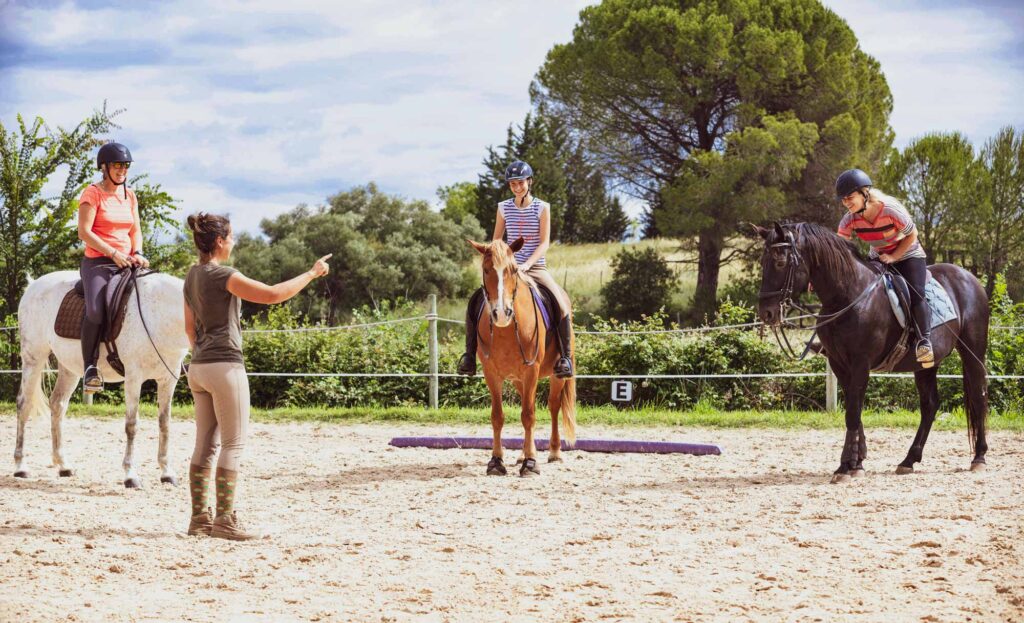
There's a humbling truth that takes most riders years to accept: the position you work on in your first month is the position you'll still be refining decades later. We've watched a four-star event rider spend a whole lesson on nothing but stabilizing her lower leg. Position isn't beginner stuff you graduate from. It's the instrument you play the horse with, and a slightly out-of-tune instrument makes everything harder for both of you.
Start with the seat, because everything else hangs off it. A good seat means sitting on your two seat bones with a tall, soft spine, your weight dropping down through a long thigh into a heel that's the lowest point of your body. The test is independence: can you keep your seat quiet and following while your hands and legs do something different? A rider whose hands fly up every time the horse trips, or whose legs grip when she gets nervous, doesn't yet have an independent seat — and the horse feels every bit of that interference. Lunge-line lessons without reins or stirrups are the fastest way to build it, which is why even experienced riders benefit from going back on the line periodically.
The leg comes next. A correct leg hangs long and stays draped against the horse's side, with contact but not grip, so it can speak clearly when you ask. The classic fault is the pinching knee, which swings your lower leg away from the horse and perches you up out of the saddle. Think of weight pouring down the back of the calf into the heel, ankle soft as a shock absorber. Your leg means forward, sideways, and bend — but only if it's quiet enough that the horse can tell when you're actually asking versus just hanging on.
Then the hand. Good hands are an effect of a good seat, not a substitute for it. They should carry a soft, elastic, even contact down a straight line from your elbow through the rein to the bit, following the horse's mouth as his head moves. Hands that pull back to slow down, saw to turn, or brace to balance are teaching the horse to lean, gape, and ignore the bit. The kindest thing you can do for your horse's mouth is to fix your seat so your hands can finally relax.
Here's how these connect in real riding. When you want a smoother halt, you don't pull — you grow tall, stop following with your seat, close your leg into a softly resisting hand, and the horse rocks back and stops. When you want a turn, you look where you're going, weight the inside seat bone slightly, support with your outside rein and leg. Every aid is a coordinated whisper from your whole body, not a yank on one rein.
This is also why your very first ride matters so much. A clean, balanced mount sets you up to sit correctly from the first stride, which is why we stress mounting a horse correctly before a rider ever worries about contact. And once your seat is genuinely independent at walk and trot, you're ready for the next real test of it — staying balanced and following through the upward shift into your first balanced canter, where every position fault you've been hiding suddenly shows up. A good drill for any level is the "no-stirrups, no-reins" minute on the lunge: arms out like an airplane, eyes up, just feeling your seat bones move with the walk. It's humbling and it's gold, because it forces you to balance on the horse instead of on your tack.
Drill the fundamentals, film yourself from the side so you can see your own ear-shoulder-hip-heel line, and make peace with the fact that you'll be working on your heel for the rest of your riding life. So is everyone good.