How to change your horse's feed without causing colic
The hindgut microbes that digest your horse's food need a week or more to adapt to anything new. Rush the switch and you risk the most preventable colic there is.
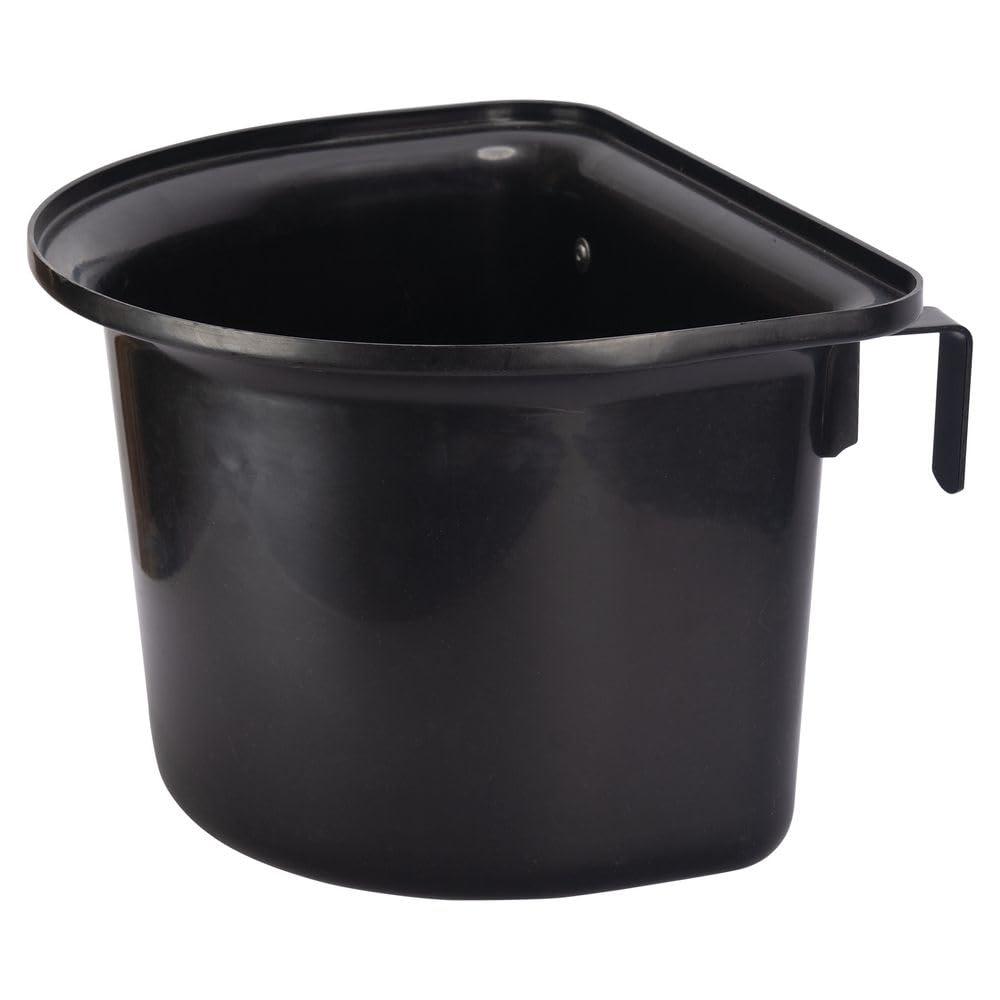
The most avoidable colic we see comes from a good intention: an owner finds a better feed, or the co-op is out of the usual hay, so they switch the whole ration overnight. Two days later the horse is pawing and looking at his flank. The problem isn't the new feed — it's the speed. A horse's hindgut runs on billions of bacteria tuned to whatever he's been eating, and those populations take seven to fourteen days to shift to a new substrate. Change faster than they can adapt and the wrong bugs ferment the wrong things, producing gas, acid, and the kind of disruption that ends in a vet call. Here's the schedule we recommend.
1. Plan a ten-day minimum transition before you start, and make sure you have enough of the old feed to overlap. If you're switching concentrates, the classic ratio works: days 1 to 3, feed 75 percent old and 25 percent new; days 4 to 6, go to a 50/50 mix; days 7 to 9, move to 25 percent old and 75 percent new; day 10 and on, feed 100 percent new. For a sensitive or ulcer-prone horse, stretch each step to four or five days.
2. Change one thing at a time. Don't swap the grain, the hay, and add a supplement in the same week — if something goes wrong you won't know which change caused it. Transition the concentrate, let the horse settle for a week, then move on to the next change.
3. Transition hay too, even though people rarely think to. A new cutting or a new type of hay is as big a change to the hindgut as a new bag of grain. Mix the new hay in with the old over several days, and be especially careful moving onto richer hay like alfalfa or a fresh, high-sugar cutting.
4. Reintroduce grass gradually in spring. Lush pasture is a feed change too, and the most dramatic one. Start with 15 to 30 minutes of grazing and add time slowly over two to three weeks, ideally turning out after the horse has had hay so he isn't gorging on an empty stomach. Easy keepers and metabolic horses may need a muzzle or limited windows the whole season.
5. Watch the manure as your daily gauge. Loose, cow-pie manure, sudden gas, reduced appetite, or fewer piles than normal all mean you're moving too fast — back up a step and slow down. Normal, formed fecal balls mean the gut is keeping up and you can continue on schedule.
Beyond the mechanics, a few principles keep transitions boring, which is exactly what you want. Keep meals small and frequent; the hindgut handles change better when starch arrives in modest amounts. Keep forage constant and generous throughout — a steady backdrop of hay buffers the whole process. And always make sure clean water is available, since a gut that's adjusting needs to stay well hydrated to keep things moving.
Know what's normal versus what's an emergency. Mild softening of the manure for a day or two during a switch is common and usually fine if the horse is bright and eating. But pawing, rolling, repeatedly lying down and getting up, sweating, a high heart rate, or no manure at all is colic until proven otherwise, and it's time to stop everything and pick up the phone. Knowing those signs cold is the difference between a scare and a tragedy, which is why we send owners to recognizing colic symptoms and first response before they ever change a feed.
One more thing: choosing the right feed in the first place makes transitions rarer. Owners who chase the newest bag every few months keep putting their horses' guts through this gauntlet for marginal gains. Pick a quality feed deliberately — we walk through how in choosing the right grain concentrate — and then leave it alone. The best feeding program for a horse's hindgut is a good one that doesn't change. When you do have to switch, give the microbes the week or two they're asking for, and the whole thing passes without drama.