Catching lameness before it becomes a layup
The horse that's three-legged lame got that way over weeks of small changes nobody noticed. Learn to read the early signals and you'll trade a long layup for a short rest.
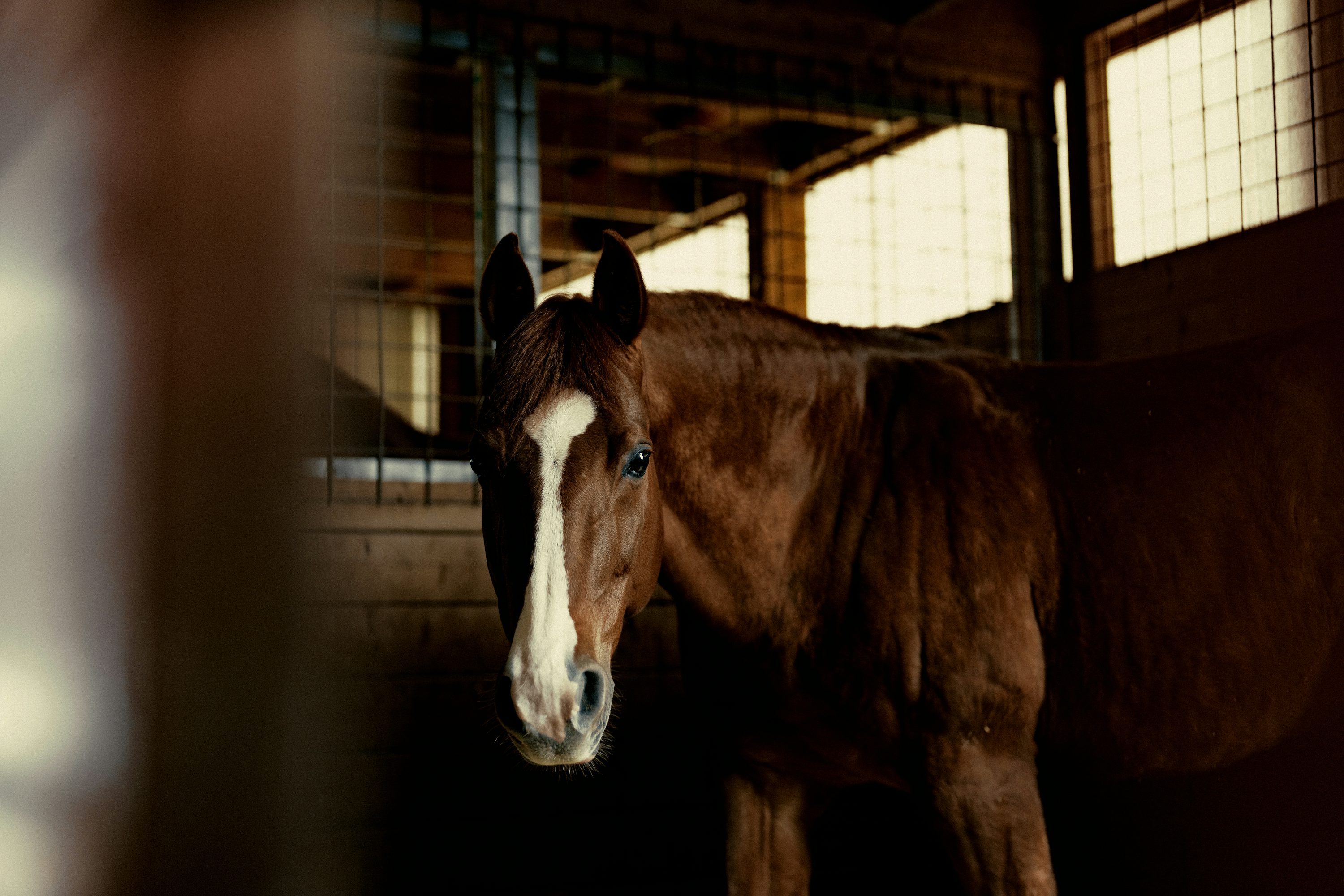
By the time a horse is obviously, head-bobbingly lame, the problem has usually been building for a while. A suspensory doesn't blow out in a single stride; it frays. Arthritis doesn't appear overnight; it grinds. The owners who avoid the dreaded months-long layup aren't luckier than everyone else. They're just paying attention to the small stuff, the changes that show up long before a horse refuses to put weight on a leg.
Start with what you already see every day. The horse who used to trot up to the gate and now walks. The one who picks his way gingerly across gravel he used to march over. A pony at a lesson barn, a steady old gelding named Domino, started cross-cantering on one lead in the arena. The trainer wrote it off as stiffness for two weeks before anyone connected it to the way he'd been resting a hind toe in the stall. That toe-resting was the early flag, and the cross-cantering was him compensating.
Learn to watch a horse move on a hard, flat surface. Have someone trot him away from you and back in a straight line, then watch him on a circle in both directions. A foreleg lameness shows as a head bob: the head rises when the sore leg lands and drops when the good one does, so the horse seems to nod down onto the sound side. Hind-limb lameness is subtler, often a hip hike or a shortened stride on the affected side, and it's frequently easier to see on a circle. You don't need to diagnose the cause. You just need to notice that something isn't even.
Your hands tell you as much as your eyes. Run them down all four legs daily, ideally at the same time so you learn what normal feels like. You're checking for heat, for swelling, for filling in a joint or along a tendon, and for a digital pulse at the back of the fetlock. A bounding digital pulse, especially in a front foot, is a warning sign you never ignore, because it can signal a brewing abscess or the early stages of laminitis and founder, where every hour of delay matters. Pick out the feet, too. Heat in a single hoof with a strong pulse and sudden lameness is an abscess until proven otherwise, and that's good news compared to most alternatives.
Pay attention to the patterns that creep in slowly. Stiffness that's worst on the first few minutes of work and warms out of can point to arthritic joints, which doesn't mean the end of a horse's career; it means a management plan. Keeping those horses comfortable and in steady, sensible work is its own subject, and we lay out the approach in keeping the arthritic horse comfortable and working. A horse who's reluctant to pick up a particular lead, who swaps leads behind, who's cranky about the canter he used to offer happily, is often telling you something hurts.
When you do suspect lameness, resist the urge to keep working through it. Light, controlled movement is sometimes part of the plan, but pushing a horse who's compensating creates secondary problems: a horse favoring a sore right front overloads the left front, and now you have two issues. Pull the shoe schedule, the recent workload, the footing changes, and any recent farrier or saddle changes into a mental timeline; your vet will want all of it.
A simple weekly soundness check takes five minutes and saves months. Trot your horse out in hand once a week on the same hard surface and watch from behind and from the side. Combine that with daily leg-feeling and hoof-picking and you build a baseline so detailed that a subtle change jumps out at you. Photograph or log anything you're unsure about so you can compare next week instead of relying on memory.
The economics are stark. A suspensory caught as mild filling and a touch of unevenness might cost a few weeks of reduced work. The same injury ignored until the horse is grade-four lame can mean six months of stall rest, controlled rehab, and a real question about whether he comes all the way back. Early detection isn't fussiness. It's the cheapest insurance you'll ever buy, and it costs nothing but attention.