Water and electrolytes: the cheapest health insurance you've got
A horse can go off feed for a day and recover. Go short on water and you're looking at impaction colic. Salt and clean water do more for health than most of what's in the supplement cabinet.
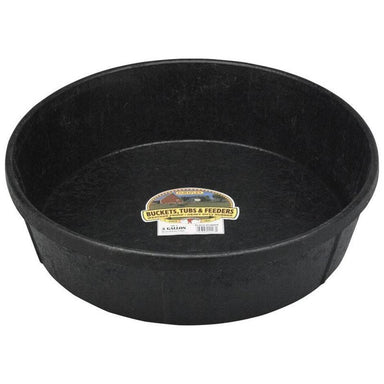
Of everything in the feed room, the two cheapest items prevent the most expensive problems: clean water and plain salt. A 1,100-pound horse drinks five to ten gallons a day at rest, and a great deal more when it's hot or he's working. Cut that supply — by a frozen trough, a dirty tank he won't touch, or a long trailer haul without a drink — and the first thing that suffers is gut motility. Dry gut contents pack down, and you get an impaction colic that a fifty-cent block of salt and a clean bucket might have prevented.
Start with water itself, because horses are pickier than people think. They drink less from dirty, algae-green, or warm-in-summer water, and far less from very cold water in winter. Studies and barn experience both show horses drink more when water is offered around 45 to 65°F, which is why heated buckets and tank heaters in cold climates pay for themselves in colic prevention. Scrub troughs regularly, check automatic waterers actually flow (a stuck float is silent and deadly), and in freezing weather break ice at least twice a day or, better, heat the water. The single biggest winter risk is a horse cutting back on icy water and impacting, which is one reason cold-weather management leans so hard on hydration — more in winter horse care essentials.
Salt is the supplement nearly every horse genuinely needs and most don't get enough of. Forage and feed rarely supply adequate sodium, and a horse at maintenance needs roughly one to two ounces of salt a day, more when sweating. A salt block in the stall and field is a fine start, but many horses — especially in winter — don't lick enough, so top-dress an ounce or two of plain loose salt on feed daily. Loose salt is easier to consume than a hard block, and it reliably drives water intake, which is half the point. Make sure salt is always paired with unlimited water; salt without water is the wrong direction.
Electrolytes are where owners overcomplicate things. Sweat isn't just water — equine sweat is hypertonic, meaning a heavily worked horse loses sodium, chloride, potassium, and some calcium and magnesium faster than he loses water. For the average horse in light work, daily salt and a balanced diet cover it. But for a horse sweating hard — endurance, eventing, a hot show day, summer hauling — plain salt isn't enough, and a proper electrolyte supplement replaces what's lost and, just as importantly, triggers the thirst response so the horse rehydrates. This matters most in summer, and we get into heat-specific strategy in managing horses through a brutal summer.
A few rules on using electrolytes well. Match the dose to the work — don't load a horse with electrolytes on a rest day, which just makes him pee out the excess and can mildly dehydrate him. Always give them with access to plenty of water, never to a horse who's already dehydrated and not drinking, because you'll pull more fluid into the gut. And introduce any paste or powder gradually; some horses go off feed if you dump a strong, salty supplement on their grain, so start small. Choose products where sodium and chloride are near the top of the ingredient list rather than sugar — a lot of cheap electrolytes are mostly dextrose with a sprinkle of salt.
Learn what dehydration looks like, because catching it early is free and fixing it late is not. The skin-pinch test on the point of the shoulder should snap back in under two seconds; a tent that lingers means trouble. Tacky gums instead of moist ones, a slow capillary refill when you press the gum, gut sounds that have gone quiet, and dark scanty urine all point the same way. A horse showing those signs, or who's stopped drinking and passing manure, needs a vet, not another scoop of powder.
The whole subject sounds too basic to matter, which is exactly why it gets neglected. Owners will spend two hundred dollars a month on coat and joint supplements while a horse drinks from a slimy tank and licks a block twice a week. Get the water clean and palatable, get an ounce or two of salt into him every day, add real electrolytes when he's sweating hard, and you've bought yourself the cheapest insurance policy in the barn against the most common, most preventable emergencies there are.