Winter horse care: water, blankets, and the things people forget
Cold doesn't hurt healthy horses nearly as much as dehydration and bad decisions do. Here's what actually matters when the temperature drops, and what people get wrong.
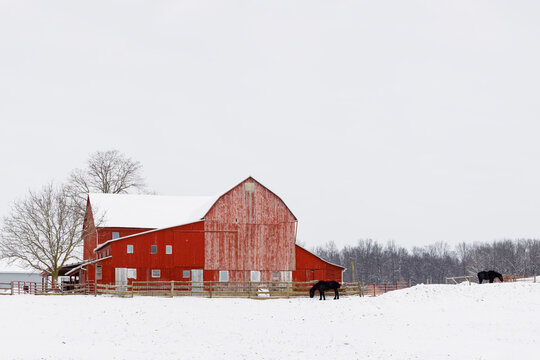
Horses handle cold far better than we give them credit for. A healthy adult with a good winter coat, shelter from wind and wet, and plenty to eat is comfortable at temperatures that have us reaching for a second jacket. The mistakes that cause real trouble in winter aren't usually about the cold itself. They're about water, about over-blanketing the wrong horse, and about a handful of details that slip through the cracks once everyone's in a hurry to get out of the wind.
Water is the one that bites people every single year. Horses drink less when water is icy cold, and a horse who drinks less eats drier hay and moves toward an impaction colic. The single most effective thing you can do all winter is keep clean, drinkable water available and ideally warmed. Studies have shown horses drink substantially more when water is heated to a comfortable temperature versus near freezing, so a tank heater or heated buckets aren't a luxury; they're colic prevention. Break ice multiple times a day if you can't heat it, check that automatic waterers haven't frozen, and watch intake. The mechanics of keeping a horse drinking, in any season, are worth understanding in detail, and we cover them in water and electrolytes, the cheapest health insurance you've got. A little loose salt available free-choice or top-dressed on feed nudges a reluctant winter drinker to take in more.
Forage is your horse's furnace. The heat that keeps a horse warm in cold weather comes largely from the microbial fermentation of fiber in his hindgut, not from grain. That means the right response to a cold snap is more hay, not more sweet feed. Free-choice or near-free-choice good-quality hay through the cold months keeps the internal heater running and keeps a bored, stalled horse occupied. A horse working to stay warm also burns more calories overall, so the hard keeper may need his ration bumped up before he drops weight under a blanket where you can't see it.
That brings us to blankets, which people both overuse and misuse. A horse with a full natural coat, good shelter, and adequate feed often needs no blanket at all; that fluffy coat traps a layer of warm air, and a blanket mashes it flat and can actually make him colder if it's the wrong weight. The horses who genuinely need blankets are the clipped ones, the very old or very young, the underweight, the sick, and those without shelter in wet, windy conditions. If you do blanket, commit to it: a horse under a blanket can't fluff his own coat, so you must adjust weight to the weather and, crucially, check underneath regularly. A wet blanket is worse than none, rubs cause sores, and weight loss hides beautifully under 1200 grams of fill. Choosing the right blanket for your climate and horse is its own decision, and the breakdown in the turnout blanket buying guide on denier, fill, and what you actually need will save you from buying the wrong thing.
Now the things people forget. Hooves grow slower in winter but still need attention; don't stretch the farrier cycle to twelve weeks just because you're not riding much, and talk to your farrier about whether to pull shoes for traction and snowball relief or add snow pads if you're on ice. Speaking of ice, footing is the hidden winter danger; a horse who slips and splays on frozen ruts can do serious soft-tissue damage, so sand or grit the high-traffic gate areas and aisles. Keep some movement in their lives, because a horse stalled for days in bad weather is a colic and a behavior problem waiting to happen; turn out whenever footing allows, even briefly. Check shelters for drafts at horse level versus useful ventilation up high, since a sealed-up barn traps ammonia and moisture that harm lungs more than cold ever would.
Finally, keep watching condition through the coat. The most common winter regret is "I didn't realize how much weight he'd lost until I pulled the blanket in March." Run your hands along the ribs and topline weekly, weigh-tape monthly, and adjust feed before a horse goes into spring thin and run-down. Winter rewards the boring fundamentals: water that isn't frozen, hay that doesn't run out, blankets matched to the actual horse, and an owner who keeps looking underneath them. Do those, and the cold takes care of itself.