Why your horse's teeth need a yearly look
A horse that drops feed, tilts his head, or fights the bit is often telling you about his mouth. Here's what floating actually does and why an annual exam earns its keep.
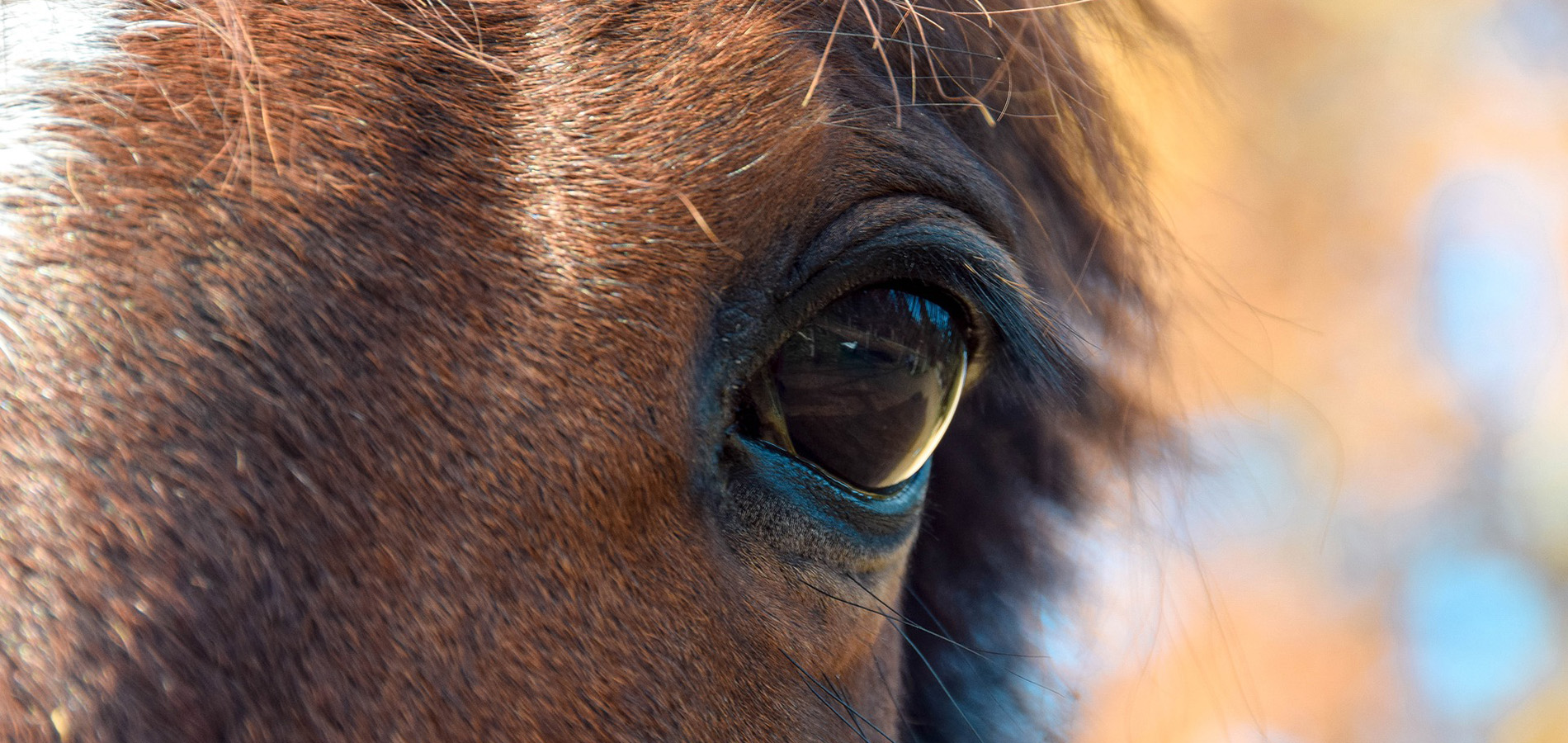
A horse's teeth never stop erupting. Unlike ours, they keep pushing up out of the gum throughout most of his life to compensate for the constant grinding of forage, and that's the root of the whole issue. Because a horse chews in a sideways, oval motion and because the upper jaw is wider than the lower, the teeth don't wear evenly. Sharp enamel points develop along the cheek side of the uppers and the tongue side of the lowers, and those points dig into the cheek and tongue with every bite. A horse can live with a surprising amount of that discomfort before he ever shows you, which is exactly why a yearly exam matters more than waiting for symptoms.
Floating is the term for filing down those sharp points and balancing the chewing surface, traditionally with a hand rasp called a float and now often with a power instrument. Done well, it's not aggressive; the goal is to remove the points and correct major imbalances, not to grind the teeth flat. A good equine dentist or veterinarian sedates the horse, props the mouth open with a speculum, and actually looks and feels all the way to the back molars, where most of the real problems hide and where you can't see a thing standing in the aisle with a flashlight.
The signs of dental trouble are easy to miss or misread. Quidding, where a horse balls up half-chewed hay and drops it, is a classic. So is dropping grain, eating slowly, tilting the head while chewing, packing feed in the cheeks, or developing a sudden objection to the bit, head-tossing, or a one-sided contact problem under saddle. A mare named Juniper started refusing to bend left; her owner assumed a training hole until a dental exam turned up a hook on a back molar catching every time she flexed that way. Twenty minutes with a float and the "training problem" evaporated. Weight loss in an otherwise healthy horse, or undigested grain and long fiber in the manure, also points straight at the mouth.
How often a horse needs attention depends on his age and his mouth. Most adult horses do well with a thorough exam once a year, and many need actual floating at that visit. Young horses between two and five are losing baby teeth and erupting permanent ones on a fast schedule, so they often benefit from twice-yearly checks to catch retained caps and sharp points early, especially as they're starting work under saddle. The other end of life needs the closest watch of all. Older horses develop worn, loose, or missing teeth, wave-shaped chewing surfaces, and gaps that trap feed, and those changes drive the feeding adjustments we describe in caring for the horse in his twenties. A senior who can no longer grind hay needs a different ration, not more of the same.
There's a real cost to skipping the yearly look. Untreated points cause painful ulcers in the cheeks and tongue. A horse in mouth pain chews less thoroughly, which means he extracts less nutrition from the same feed and is at higher risk of choke and even some colics from poorly chewed forage. Over years, an unbalanced mouth wears into deep waves and hooks that are far harder to correct than the small annual touch-up would have been. The yearly exam is cheap preventative medicine, and it belongs on the same calendar as your other routine care, right next to the core vaccines every horse needs and why. Many owners simply book the dentist and the spring vaccine visit together and knock both out in one morning.
A few practical cautions. Be wary of anyone offering to "do teeth" without sedation, without a full-mouth speculum, or without a proper oral exam, because you cannot adequately reach or assess the back of a horse's mouth otherwise, and over-floating with power tools in untrained hands does genuine harm. In most places, dentistry involving sedation is veterinary work for good reason. Ask who's doing the work, what their training is, and whether a vet is involved.
Keep records of what's found and done each year, the same way you would vaccines and deworming. A note that a particular molar has a wave starting, or that a horse tends to grow a hook on the same tooth, helps the next practitioner pick up exactly where the last one left off. Your horse can't tell you his mouth hurts in words, but he tells you in dropped grain, head tilts, and a sour attitude about the bit. A yearly look is how you listen.