Tack room organization that survives a busy barn
A tack room that works isn't about pretty labels. It's about a system that holds up when twelve people are tacking up at once and nobody can find the spare girth.
Some links in this article are affiliate links; Apex Equine may earn a commission at no extra cost to you.
A tack room tells you everything about how a barn runs. Walk into one where every bridle hangs on its own rounded rack, every saddle has a labeled tree, and the bandages are folded by size, and you're looking at a barn where things don't get lost or ruined. Walk into the other kind — bridles in a heap, a saddle balanced on a muck bucket, somebody's good show coat draped over a wet blanket — and you already know how the rest of the place is run. The difference isn't money. It's a system that survives a busy morning.
Start with the saddles, because they're the most valuable and the most easily damaged. Each saddle needs its own rack at the right height, mounted on a stud wall, not stacked on the floor or hung over a stall door where it warps. The contoured wall racks hold the panels in their shape; the folding ones let you tuck saddles flat when space is tight. Dover carries sturdy wall-mount saddle racks that take real weight without sagging, which the cheap wire ones don't. Label each rack so a working student doesn't grab the wrong saddle in a hurry — at Maple Run, every rack has the horse's name on a strip of tape, and tack mix-ups dropped to almost nothing once they did it.
Bridles want rounded racks, not nails or hooks, because a bridle hung on a narrow nail develops a hard crease at the crownpiece that eventually cracks. The semicircular bridle brackets (or a clean tin can mounted to the wall, the old grooms' trick) keep the leather's shape. SmartPak stocks tidy bridle and halter racks and the matching figure-eight cleaning hooks that make hanging a bridle to clean it a two-second job instead of a juggling act.
Everything else lives or dies by zones. Group like with like: a shelf for grooming totes, a bin for polo wraps and standing bandages rolled and sorted by color or length, hooks for lunging gear, a labeled drawer for spare hardware — buckles, chicago screws, a leather punch, the spare girth everyone borrows. Clear, lidded bins keep dust and barn cats out and let you see what's running low. Riding Warehouse has affordable stackable storage bins and totes that hold up to barn life better than the flimsy ones from the dollar store. And a simple over-the-door wall organizer with pockets keeps small items like hoof picks and fly spray off the one flat surface everyone fights over.
Climate is the quiet killer of leather. A damp, unventilated tack room grows mold on saddles in a single humid week; a too-hot one dries leather out and cracks it. Aim for some airflow and, in a wet climate, a small dehumidifier earns its keep over a winter. Keep leather conditioned and stored away from direct heat, and never put a soaking wet blanket or saddle pad in a closed room — hang wet gear to dry elsewhere so it isn't breathing moisture onto your bridles all night.
A working tack room also needs a few habits enforced, not just shelves installed. One spot, clearly marked, for "needs repair" so a cracked rein gets fixed before it fails. A cleaning station with hooks, sponges, and conditioner so cleaning tack is convenient enough that it actually happens. And a rule that gear goes back where it belongs, because a system only works if everyone uses it.
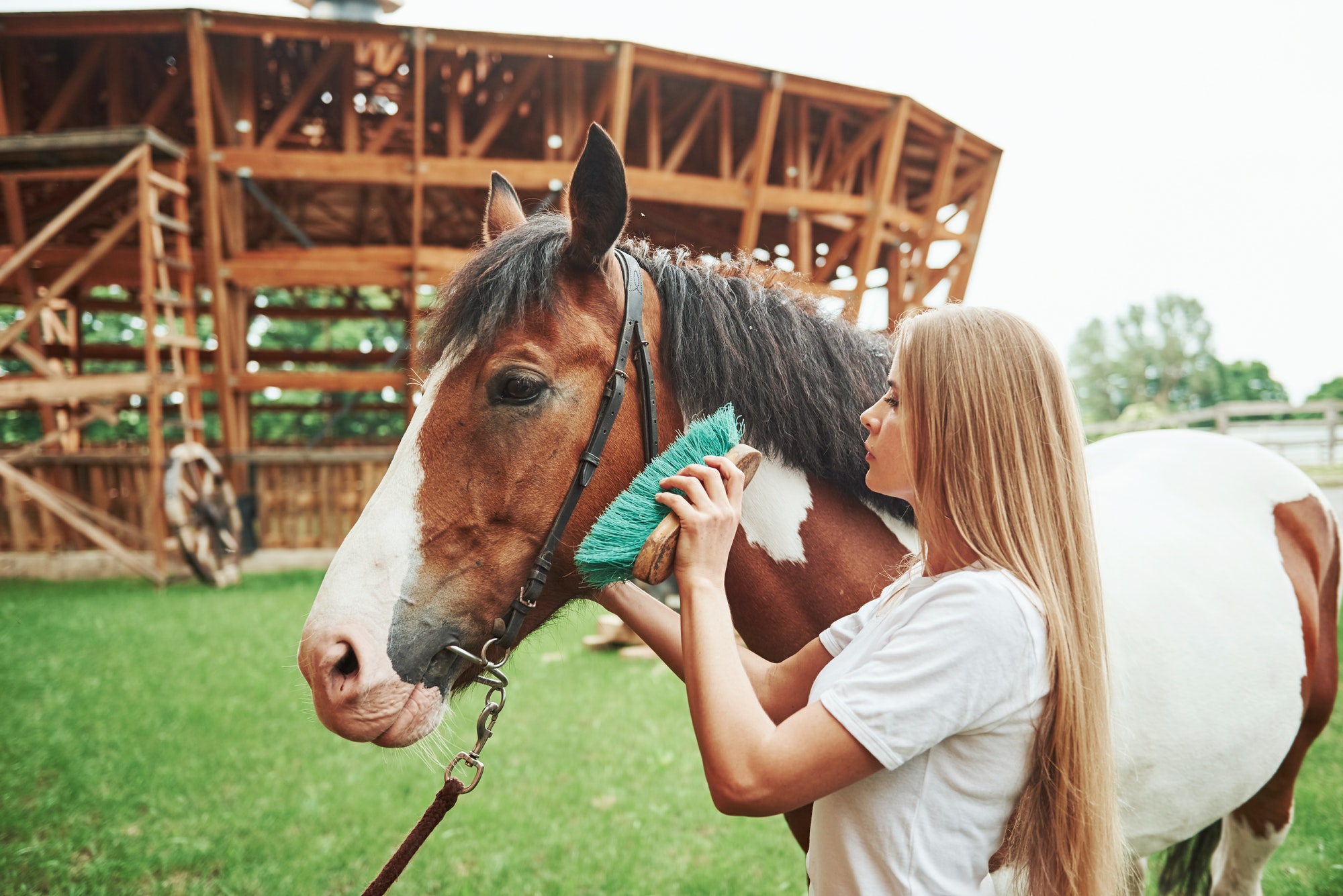
Two things naturally fold into the same project. Your grooming gear lives here too, so set it up alongside the rest — the same logic that makes a tack room work makes your grooming kit easy to grab and easy to keep clean. And seasonal gear needs a home: blankets that come out of rotation in spring should be cleaned, repaired, and stored properly, which is far easier when your blanket care and repair routine has a dedicated shelf instead of a damp pile in the corner. Organization isn't tidiness for its own sake. It's how you stop losing money to ruined leather and stop losing minutes you don't have on a busy morning.