The owner's starter kit: grooming and first-aid basics
New to owning? Skip the forty-piece kits and the impulse buys. Here's the short, honest list of grooming and first-aid supplies that actually earn a place in your trunk.
Some links in this article are affiliate links; Apex Equine may earn a commission at no extra cost to you.
The week you bring your first horse home, the tack store will happily sell you four hundred dollars of gear you don't need and miss the eighty dollars of stuff you actually do. New owners overbuy on grooming gadgets and underbuy on the boring first-aid basics that matter at nine on a Sunday night when the nearest open store is an hour away. Here's the honest starter list — short, useful, and built to handle the first real problem before the vet arrives.
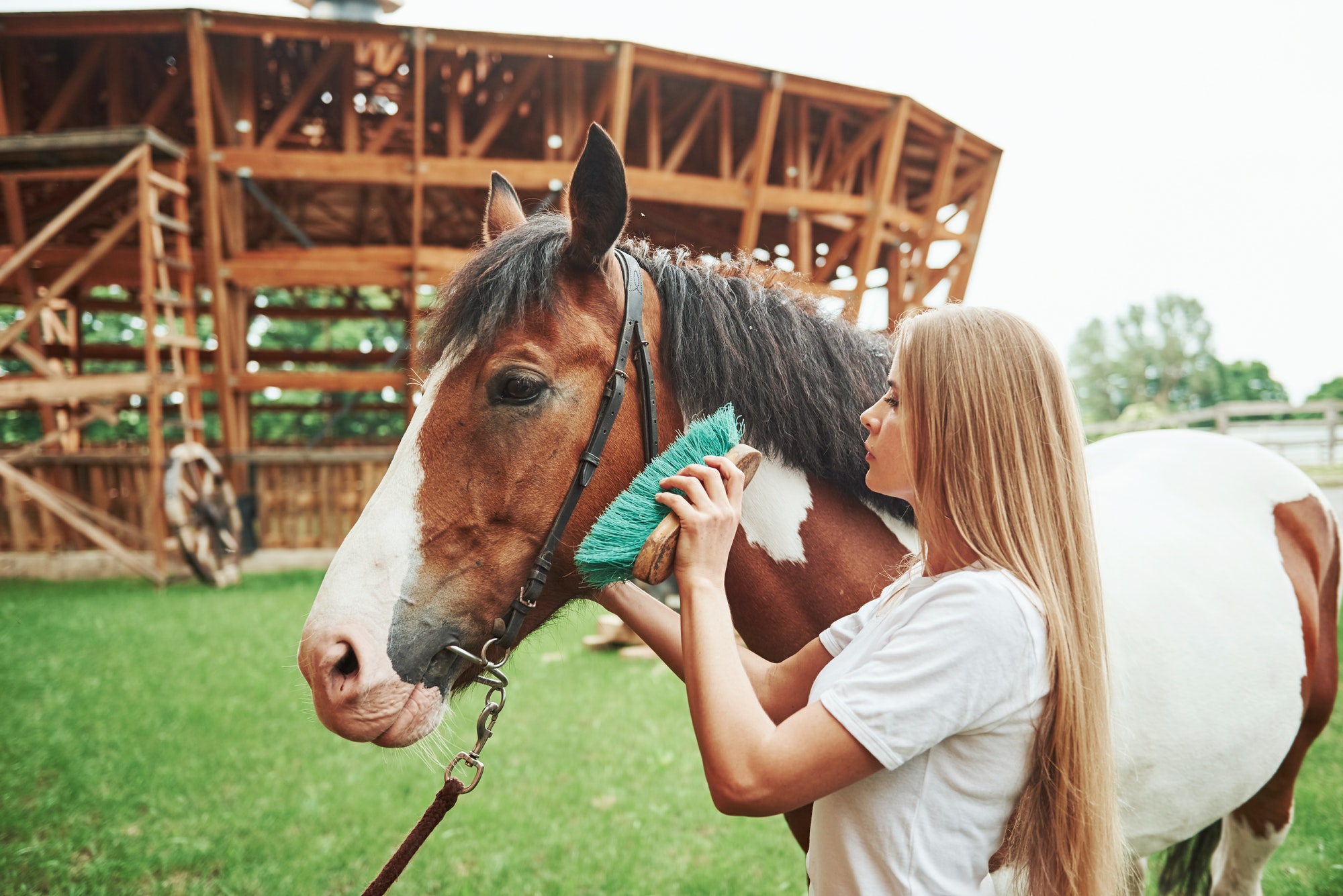
Grooming first, because it's daily and it's how you learn your horse's body. You need a rubber curry comb, a stiff dandy brush, a soft body brush, a mane-and-tail comb, a hoof pick, and a sweat scraper. That's the whole working kit; resist the forty-piece tote. The single most valuable habit isn't the tools, it's picking out all four feet every day, because that's how you catch a thrush smell or a stone bruise early. If you want the full breakdown of which tool does what and where to spend, the rundown on building a grooming kit covers it, but a basic grooming kit with the essentials from SmartPak gets a new owner started without the clutter.
First aid is where new owners are dangerously thin, and the goal isn't to play vet — it's to stabilize and clean a wound, take a temperature, and manage the wait for professional help. The non-negotiables: a digital thermometer (normal is 99 to 101.5°F, and knowing it's 103 changes everything), a stethoscope or just your watch and hand for heart and gut sounds, sterile saline or clean water for flushing wounds, gauze pads and a roll of self-adhesive bandage like Vetrap, brown gauze and quilts for a pressure or hoof wrap, blunt scissors, and a tube of triple antibiotic ointment. Add a small bottle of dilute chlorhexidine (Nolvasan) for cleaning, and a clean towel. Dover sells sensible equine first-aid kits pre-stocked, or you can build your own from a tackle box, which is what most experienced owners end up doing.
A few specific items earn their place from experience. Bute or banamine should only be in your kit and given on your vet's instruction — never guess, because the wrong drug for the wrong problem (banamine for what's actually colic surgery, say) costs lives. A poultice and a hoof-soaking boot handle the abscess that will absolutely happen eventually. An equine first-aid book or a laminated vital-signs card taped inside the trunk lid saves you fumbling in a crisis. Riding Warehouse carries the wound care and bandaging supplies worth keeping stocked, and a digital thermometer and basic vet supplies off Amazon costs almost nothing for how often you'll use it.
Two rules turn a kit from decoration into something useful. First, know how to use what's in it before you need it — have your vet or an experienced friend show you how to take a temperature, find a digital pulse, and apply a standing wrap, because a kit you can't use is just an expensive box. The deeper version of this is worth reading up on; the guide to building a horse first-aid kit goes through technique and the judgment calls. Second, restock it the moment you use something, because the time you reach for the last gauze pad and find the box empty is exactly the time you needed it most.
When Beth bought her first gelding, Captain, she'd spent her whole budget on a show halter and a monogrammed cooler and had nothing in the trunk the night he came in with a bleeding cannon-bone scrape. A neighbor's Vetrap and saline got her through until morning. She built a real kit the next week, and it's saved her a dozen panicked late-night calls since — most of the time, a clean wound and a calm temperature check tell her it can wait until business hours.
Keep both kits where you'll actually reach for them, restock as you go, and learn to use the contents before the emergency. A new owner with a tidy grooming box, a stocked first-aid kit, and the knowledge to use both is far better prepared than one with a trunk full of show gear and no thermometer. Spend on the boring stuff. It's the boring stuff that gets you through the first real scare.