The trail rider's skill set: more than just sitting there
People assume trail riding is the easy, lazy end of the sport. The riders who never have a wreck know it's the opposite: an arena with no walls and no warning.
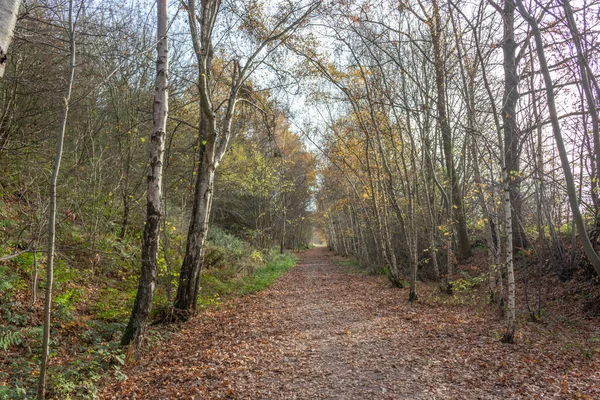
There's a persistent myth that trail riding is what you do when you're not good enough to do real riding. We've heard show riders call it "just sitting there." Then those same riders come out on a fall hack, meet a deer exploding out of the brush and a logging truck on a gravel road in the same mile, and discover that the trail is the most unpredictable arena there is — one with no walls, no familiar footing, and no warning about what's around the next bend.
Good trail riding is a genuine skill set, and it starts with the horse. The single most important quality in a trail horse is a level head, and that's built, not born. A horse who's been systematically taught to look to his rider when something frightens him, rather than bolt, is the difference between a relaxing afternoon and a hospital visit. That confidence comes from the same patient exposure work as anything else, which is why you shouldn't take a green or reactive horse onto real trails until you've done serious confidence-building at home — the approach in desensitizing a spooky horse is the prerequisite, not an optional extra.
Your own skills matter just as much. Riding terrain is different from riding a flat arena. Going downhill, you sit up, keep your leg under you, and let the horse lower his head and pick his own line rather than balancing on his mouth; going up, you fold forward into a light seat to free his back and let him use his hindquarters. You learn to read footing at a glance — to slow to a walk over rocks and roots, to be wary of the bright green patch that's actually a bog, to cross water by letting the horse drop his head and look. You learn to keep one ear on your horse and one eye on the trail ahead, because the spook you prevent is always easier than the one you ride out.
A handful of safety habits separate riders who've been doing this for thirty years from those who get hurt. Wear a helmet, every ride, no exceptions — the ground is harder and farther away on a hillside than in a groomed ring, and a fall onto rock or root is exactly the scenario choosing a riding helmet is written for. Never ride alone without telling someone your route and your expected return time, and carry a phone in a pocket on your body, not in a saddlebag that leaves with the horse. Carry a hoof pick and know how to handle a thrown shoe or a stone bruise miles from the trailer. Ride to the level of the least experienced horse and rider in your group, and keep a horse-length between horses so one kick doesn't start a chain reaction.
Etiquette is part of safety too. Pass other trail users — hikers, bikers, dogs — at a walk and with a friendly word so your horse reads them as people, not predators. Step off the trail to let faster traffic by. Don't let your horse graze on someone else's pasture edge or churn up soft trail after rain, because trail access for all of us depends on riders not wrecking it.
Done well, trail riding builds a horse and a rider that no arena can. Real hills strengthen a horse's hindquarters and topline, varied footing teaches him where his feet are, and the steady exposure to a changing world produces the calmest, most broke horse in the barn. It's not the lazy end of the sport. It's some of the best training you'll ever do, disguised as a nice afternoon out.