Bringing the new horse home safely
The deal is done and the horse is yours — now you have to get him home in one piece and settle him without a colic or a fence-walking meltdown. Plan both halves.
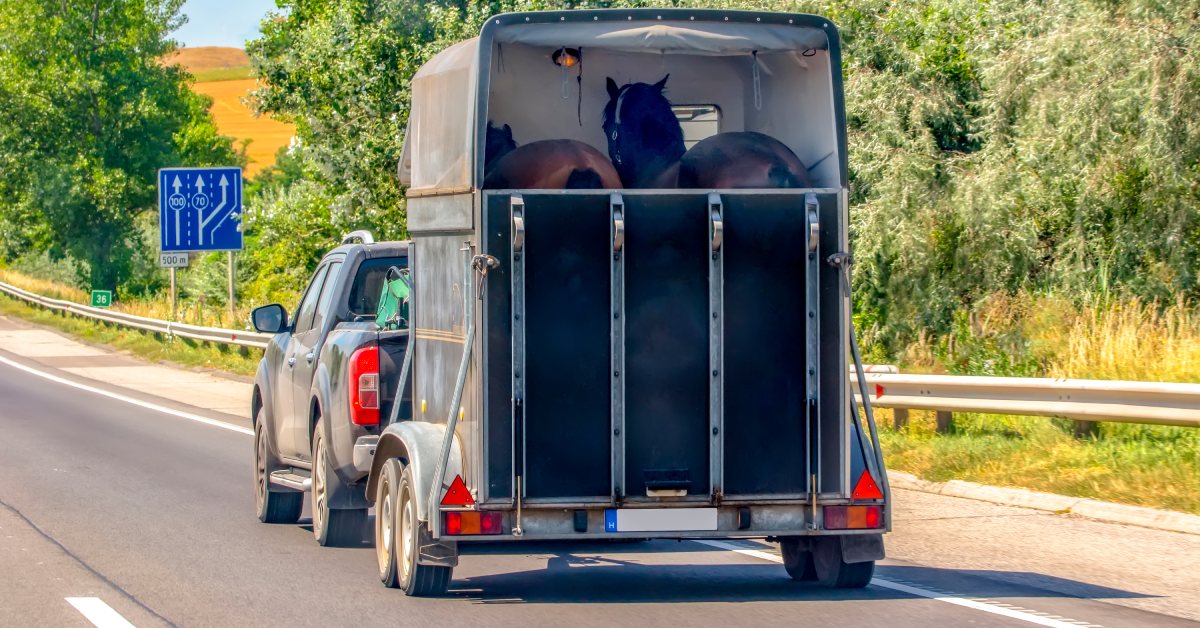
The check has cleared and the horse is officially yours, which means the riskiest part of the whole transaction is about to begin: getting a stressed animal from his old life to his new one without a wreck or a vet bill. We've seen more new-purchase problems happen in the seventy-two hours around transport than in the months of shopping that led up to it. A little planning turns a fraught day into a non-event.
Before anything moves, get your paperwork in order. The horse needs a current negative Coggins test and, for any interstate trip, a health certificate (a Certificate of Veterinary Inspection) issued within the required window — usually thirty days, sometimes ten, depending on the states involved. Skipping these isn't just illegal; it'll get you turned around at a weigh station or a state line. Confirm what your route requires before you book the hauler.
Decide honestly whether to haul the horse yourself or hire a professional. If you don't own a safe, well-maintained trailer and a tow vehicle rated for it, hire a reputable commercial shipper. For a long haul, a professional with a proper rig, layover plan, and experience is worth every dollar. If you do haul your own, the loading and safety fundamentals in safe horse trailer loading and hauling are non-negotiable reading before you point the truck down the driveway.
Set the horse up to travel well. Ship him in well-fitted boots or standing wraps if he's accustomed to them — and never introduce shipping boots for the first time on travel day, because a horse who's never worn them can panic. Skip the heavy blanket unless it's genuinely cold; horses warm up fast in a trailer. Offer water and a haynet, and plan to stop and offer water every few hours on a long trip.
Here's the rule that prevents the most colics: don't change everything at once. Ask the seller for a few days' worth of the horse's current hay and grain, and send it home with the horse. A new horse facing a new barn, new water, and new feed all in one day is a colic and tying-up risk. Transition his feed gradually over a week to ten days, exactly as you would any feed change. The water is the sneaky part — some horses won't drink unfamiliar-tasting water, so flavoring it or bringing a few jugs from the old place for the first day can keep him hydrated.
When you arrive, give the horse time before you ask anything of him. Walk him off the trailer, let him stretch, and put him somewhere safe and quiet — ideally a stall or small paddock where he can see other horses but can't tear around or get hurt against a strange fence. Watch him for the first day. You're looking for normal: drinking, passing manure, eating, and settling rather than pacing, weaving, or breaking a sweat over the fence line.
Quarantine if you possibly can. Even a healthy-looking new horse can be incubating something, so two to three weeks of separation from the resident herd protects everyone. House him apart, handle him last in your chore order, and use separate buckets and tools. It feels like overkill until the one time it isn't.
Introduce him to turnout and the herd slowly. Let him meet new companions over a safe fence first, then turn him out with one calm, low-drama buddy before adding the rest. Throwing a stressed new horse into an established group on day one is how you get kicks, bites, and a vet visit. Patience here pays off in a horse who integrates instead of one who gets injured proving the pecking order.
All of this is the natural last chapter of a careful purchase. If you did the shopping and vetting right — the whole process we walk through in buying your first horse without buying a problem — don't undo that good work with a rushed, unplanned homecoming. Get the papers, get him home calmly, change nothing too fast, and give him a quiet week to learn that this strange new place is going to be just fine.