Keeping the arthritic horse comfortable and working
Arthritis isn't a retirement notice. With the right mix of movement, footing, joint support, and honest management, most arthritic horses stay sound, happy, and in work for years.
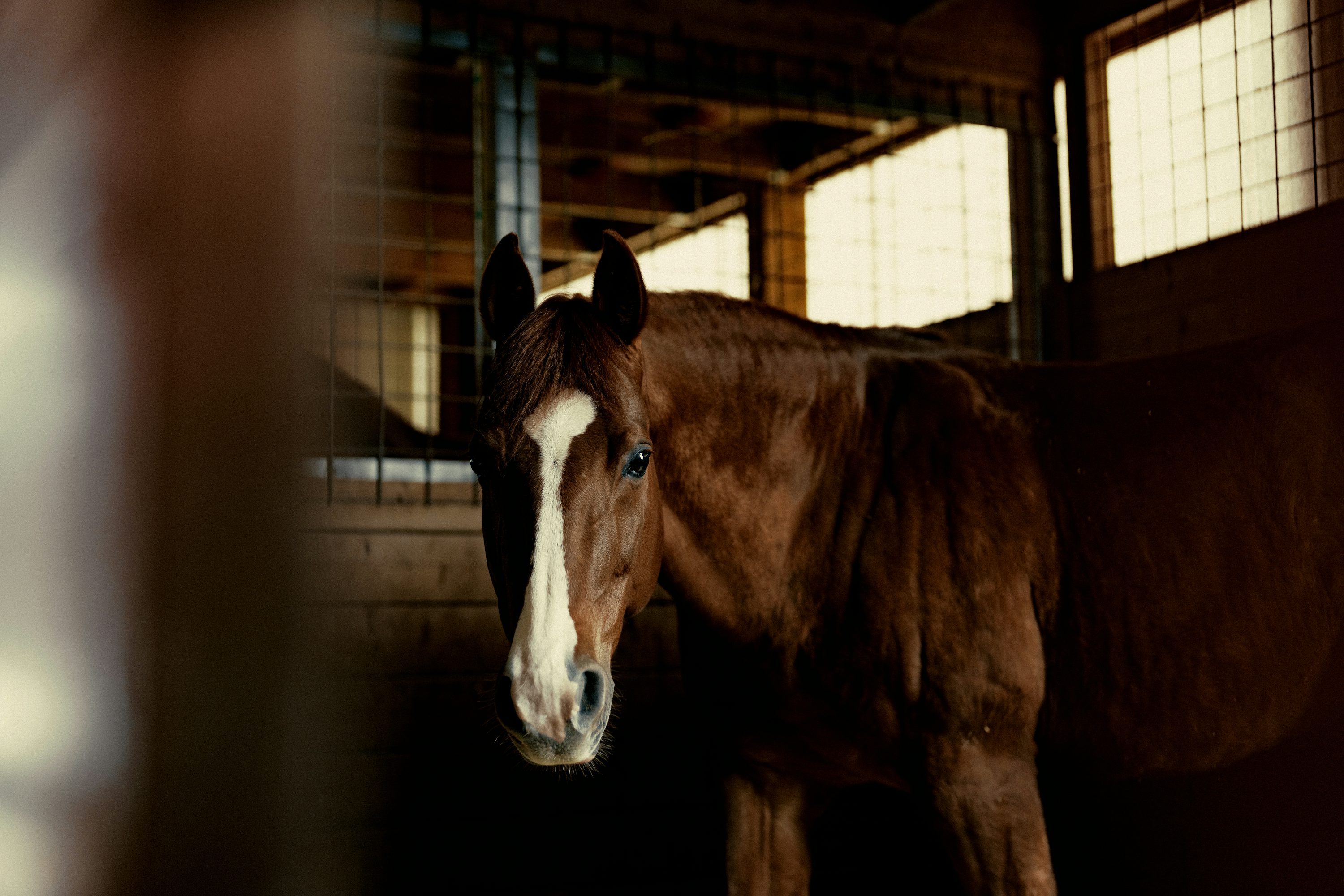
When an owner hears the word arthritis, they often hear "the end of riding," and that's usually wrong. Degenerative joint disease is incredibly common, especially in horses past their mid-teens and in any horse with a hard-working past, but it's a condition you manage, not a sentence you serve. Plenty of arthritic horses show in the low jumpers, trail ride for miles, and pack kids around as schoolmasters who are happier in steady work than they'd ever be standing in a field. The trick is reading the horse honestly and building a program around what helps.
The single most important thing is movement, which surprises people who assume a sore joint should be rested. Arthritic joints stiffen and ache with inactivity and loosen with gentle, consistent use. The horse who lives out and moves all day is almost always more comfortable than the one stalled twenty-three hours and asked to perform cold. A good warm-up is non-negotiable: ten to fifteen minutes of walking before you ask for anything, letting the joint fluid warm and the tissues stretch. Skip the warm-up on a cold morning and you'll feel exactly why it matters. The flip side is that the early warning signs of a flare or a new problem are easy to miss in a horse you've labeled "just arthritic," so keep up the habits in catching lameness before it becomes a layup, because a horse with one bad hock can still bow a tendon.
Footing and farriery do quiet, enormous work. Deep, heavy, or rock-hard ground punishes arthritic joints; consistent, supportive, slightly forgiving footing protects them. Talk to your farrier about balance and breakover, because a foot that lands and leaves the ground cleanly spares the joints above it, and many arthritic horses are noticeably better in shoes set to ease their particular pattern of wear. Keep the trim cycle tight; a foot left long for an extra two weeks loads everything above it badly.
Then there's the medical toolbox, which has grown a lot. For day-to-day comfort, oral joint supplements containing glucosamine, chondroitin, and hyaluronic acid help some horses, though quality varies wildly and you should choose products tested by a reputable program. Intramuscular polysulfated glycosaminoglycans and IV hyaluronic acid are commonly used courses your vet can prescribe. For a specific painful joint, intra-articular injections, often a corticosteroid with hyaluronic acid, can be transformative, quieting inflammation in a hock or coffin joint and buying months of comfort. Newer biologics like IRAP, PRP, and pro-stride are options for horses who can't or shouldn't have repeated steroids. And for the bad days, a course of an NSAID like phenylbutazone or firocoxib, used at the lowest effective dose and with your vet's guidance about long-term effects, keeps a horse moving. None of this is one-size-fits-all; the right combination depends on which joints, how bad, the horse's age, and his job.
Weight matters more than almost anything, and it's the cheapest intervention there is. Every extra pound is load on already compromised joints. The fat arthritic horse is fighting his own body weight with every stride, while the same horse trimmed to a healthy condition often looks years younger in his movement. Keep him fit and lean, not round.
Be realistic about the job. An arthritic horse can usually keep working, but the work may need to change. The upper-level dressage horse might drop to schooling-level movements; the jumper might come down in height; the eventer might become a happy hacking and flat horse. Cross-training on varied terrain, plenty of stretchy walking, and avoiding the same repetitive strain day after day all extend a career. Read the horse: a little stiff that warms out of it is workable, but persistent lameness, heat, or a horse who's clearly guarding means back off and call your vet.
Arthritis also tends to arrive alongside the other realities of aging, so it rarely travels alone. The comfort plan for a stiff hock dovetails with the broader management of an older horse, from dental care to feeding to a softer daily routine, which we cover in caring for the horse in his twenties. Handled together, these horses don't fade out. They keep their jobs, their muscle, and their dignity. We'd far rather see a sound, well-managed twenty-year-old in light work than a stiff, overweight one retired too early to a field where the arthritis only gets worse.